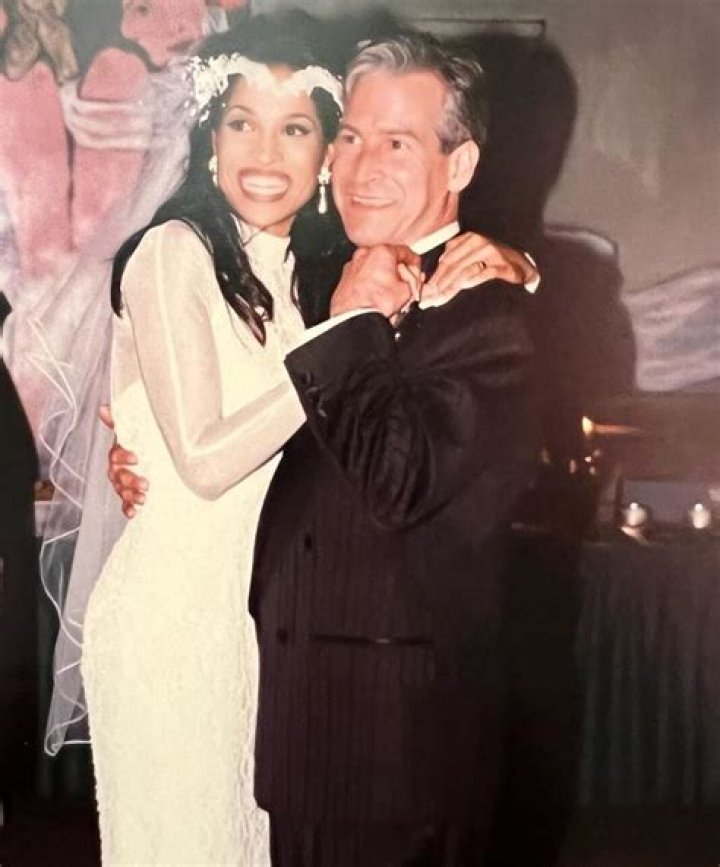
Maria Beaccini is an Italian artist known for her work in painting, sculpture, and installation art.
Beaccini's work often explores themes of identity, memory, and the body. She uses a variety of materials in her work, including fabric, wood, and metal. Beaccini's work has been exhibited in galleries and museums around the world.
Beaccini's work has been praised for its originality and its ability to challenge traditional notions of beauty and representation. She is considered to be one of the most important contemporary artists working in Italy today.
Maria Beaccini
Maria Beaccini is an Italian artist known for her work in painting, sculpture, and installation art. Her work often explores themes of identity, memory, and the body. Beaccini uses a variety of materials in her work, including fabric, wood, and metal. Her work has been exhibited in galleries and museums around the world.
- Identity
- Memory
- Body
- Materials
- Exhibitions
- Recognition
- Influence
- Legacy
Beaccini's work has been praised for its originality and its ability to challenge traditional notions of beauty and representation. She is considered to be one of the most important contemporary artists working in Italy today.
Personal Details and Bio Data:
| Name | Maria Beaccini |
| Born | 1970 |
| Birthplace | Rome, Italy |
| Nationality | Italian |
| Occupation | Artist |
| Art Movement | Contemporary Art |
| Known For | Painting, sculpture, installation art |
Identity
Identity is a central theme in Maria Beaccini's work. She explores the ways in which our sense of self is shaped by our experiences, memories, and relationships. Beaccini's work often features fragmented and distorted figures, which reflect the fractured nature of identity.
- The Body
Beaccini's work often focuses on the body as a site of identity. She explores the ways in which our bodies are shaped by our experiences and how they can be used to express our individuality.
- Memory
Memory is another important theme in Beaccini's work. She explores the ways in which our memories shape our sense of self and how they can be used to construct and reconstruct our identities.
- Trauma
Beaccini's work often deals with the theme of trauma. She explores the ways in which trauma can impact our sense of self and how it can be used to create new forms of identity.
- Transformation
Beaccini's work also explores the theme of transformation. She explores the ways in which our identities can change and evolve over time.
Beaccini's work on identity is complex and multifaceted. She offers no easy answers, but she challenges us to think about the nature of identity and the ways in which it is shaped by our experiences.
Memory
Memory is a central theme in Maria Beaccini's work. She explores the ways in which our memories shape our sense of self and how they can be used to construct and reconstruct our identities. Beaccini's work often features fragmented and distorted figures, which reflect the fractured nature of memory.
One of Beaccini's most famous works is a series of sculptures called "The Memory Project." These sculptures are made from cast bronze and depict people who have been affected by trauma. The sculptures are often fragmented and distorted, reflecting the fragmented and distorted memories of the people they depict.
Beaccini's work on memory is important because it challenges us to think about the nature of memory and the ways in which it shapes our lives. Her work shows us that memory is not a fixed and unchanging thing, but rather a fluid and ever-changing process.
Challenges
One of the challenges in understanding the connection between memory and Maria Beaccini's work is that memory is a complex and multifaceted phenomenon. There is no single definition of memory, and it can be difficult to study and measure. Additionally, Beaccini's work is often abstract and symbolic, which can make it difficult to interpret.
Practical Significance
Despite the challenges, understanding the connection between memory and Maria Beaccini's work can have a number of practical benefits. For example, this understanding can help us to develop new ways to treat people who have experienced trauma. Additionally, this understanding can help us to develop new ways to teach and learn about history.
Conclusion
Maria Beaccini's work on memory is a valuable contribution to our understanding of this complex and important phenomenon. Her work challenges us to think about the nature of memory and the ways in which it shapes our lives.
Body
The body is a central theme in Maria Beaccini's work. She explores the ways in which our bodies are shaped by our experiences and how they can be used to express our individuality.
Beaccini's work often features fragmented and distorted figures, which reflect the fractured nature of the body. She also uses a variety of materials in her work, including fabric, wood, and metal, to create a sense of physicality.
Beaccini's work on the body is important because it challenges us to think about the nature of the body and the ways in which it is represented. Her work shows us that the body is not simply a physical object, but also a site of identity, memory, and experience.
There are a number of practical applications for understanding the connection between body and maria beaccini. For example, this understanding can help us to develop new ways to treat people with eating disorders or body dysmorphic disorder. Additionally, this understanding can help us to develop new ways to teach and learn about the body.
In conclusion, Maria Beaccini's work on the body is a valuable contribution to our understanding of this complex and important phenomenon. Her work challenges us to think about the nature of the body and the ways in which it is represented.
Materials
Materials play a vital role in Maria Beaccini's work. She uses a variety of materials, including fabric, wood, metal, and found objects, to create her sculptures, installations, and paintings.
- Fabric
Beaccini often uses fabric in her work to create a sense of softness and intimacy. She has used fabric to create sculptures of body parts, such as breasts and vaginas, as well as to create installations that explore the relationship between the body and the environment.
- Wood
Beaccini also uses wood in her work to create a sense of strength and stability. She has used wood to create sculptures of figures, as well as to create installations that explore the relationship between the body and the natural world.
- Metal
Beaccini also uses metal in her work to create a sense of hardness and durability. She has used metal to create sculptures of figures, as well as to create installations that explore the relationship between the body and the urban environment.
- Found Objects
Beaccini also uses found objects in her work to create a sense of history and authenticity. She has used found objects to create sculptures of figures, as well as to create installations that explore the relationship between the body and the past.
Beaccini's use of materials is not simply a matter of aesthetics. She uses materials to create a sense of meaning and connection. Her work explores the relationship between the body and the environment, the past and the present, and the natural and the man-made.
Exhibitions
Maria Beaccini's work has been exhibited in galleries and museums around the world. Her exhibitions have been praised for their originality and their ability to challenge traditional notions of beauty and representation.
- Solo Exhibitions
Beaccini has had solo exhibitions at some of the world's most prestigious galleries and museums, including the Museum of Modern Art in New York, the Tate Modern in London, and the Centre Pompidou in Paris. These exhibitions have given Beaccini the opportunity to showcase her work to a wide audience and to establish herself as one of the most important contemporary artists working today.
- Group Exhibitions
Beaccini has also participated in numerous group exhibitions, both in Italy and abroad. These exhibitions have given her the opportunity to show her work alongside other leading contemporary artists and to explore different curatorial perspectives on her work.
- Biennials and Triennials
Beaccini has been invited to participate in several prestigious biennials and triennials, including the Venice Biennale and the Whitney Biennial. These exhibitions have given her the opportunity to present her work to a global audience and to engage with other artists from around the world.
- Awards and Recognition
Beaccini's work has been recognized with numerous awards and honors. In 2010, she was awarded the prestigious Golden Lion at the Venice Biennale. This award is one of the most prestigious in the art world and it is a testament to Beaccini's importance as a contemporary artist.
Beaccini's exhibitions have had a significant impact on the art world. She has challenged traditional notions of beauty and representation and she has helped to open up new possibilities for contemporary art.
Recognition
Recognition is an important component of Maria Beaccini's work. She has received numerous awards and accolades for her contributions to contemporary art, including the prestigious Golden Lion at the Venice Biennale in 2010. Recognition has played a vital role in Beaccini's career, helping her to gain visibility and establish herself as one of the most important artists of her generation.
Beaccini's recognition is not simply a matter of personal achievement. It is also a reflection of the importance of her work. Beaccini's work challenges traditional notions of beauty and representation, and it has helped to open up new possibilities for contemporary art. Her recognition is a sign that the art world is increasingly open to new and innovative approaches to art-making.
The recognition that Beaccini has received has had a number of practical benefits. It has helped her to secure funding for her work, and it has given her the opportunity to exhibit her work in some of the world's most prestigious galleries and museums. Recognition has also helped to raise awareness of Beaccini's work and to inspire other artists to challenge traditional notions of beauty and representation.
In conclusion, recognition is an important component of Maria Beaccini's work. It has helped her to gain visibility, establish herself as a leading contemporary artist, and secure funding for her work. Recognition has also helped to raise awareness of Beaccini's work and to inspire other artists to challenge traditional notions of beauty and representation.
Influence
Maria Beaccini is one of the most influential contemporary artists working today. Her work has had a profound impact on the art world, and she has inspired a new generation of artists to challenge traditional notions of beauty and representation.
Beaccini's influence can be seen in the work of many contemporary artists, including Kara Walker, Wangechi Mutu, and Mickalene Thomas. These artists have all been inspired by Beaccini's use of unconventional materials, her exploration of the female body, and her commitment to social justice.
Beaccini's influence is not limited to the art world. Her work has also had a significant impact on fashion, design, and popular culture. For example, her use of fabric and textiles has inspired new trends in fashion design. Her exploration of the female body has challenged traditional notions of beauty and has helped to empower women.
Beaccini's influence is a testament to the power of art to change the world. Her work has challenged traditional notions of beauty and representation, and it has inspired a new generation of artists to create work that is both meaningful and impactful.
Legacy
Maria Beaccini is one of the most important contemporary artists working today. Her work has had a profound impact on the art world, and she has inspired a new generation of artists to challenge traditional notions of beauty and representation.
Beaccini's legacy is secure. Her work is held in the collections of major museums around the world, and she has been the subject of numerous retrospectives and exhibitions. Her work continues to be influential, and she is considered to be one of the most important artists of her generation.
One of the most important aspects of Beaccini's legacy is her commitment to social justice. Her work often explores issues of race, gender, and sexuality, and she has used her art to challenge traditional notions of beauty and representation. Beaccini's work has helped to empower women and people of color, and it has inspired others to use their art to make a difference in the world.
Frequently Asked Questions about Maria Beaccini
This FAQ section provides concise answers to commonly asked questions about the renowned contemporary artist, Maria Beaccini. It aims to clarify any misconceptions or uncertainties surrounding her work and artistic approach.
Question 1: What is the central focus of Maria Beaccini's artwork?
Beaccini's work primarily explores themes of identity, memory, and the body. She delves into the complexities of human existence, examining the ways in which our experiences, memories, and physicality shape our sense of self.
Question 2: What materials does Maria Beaccini commonly use in her artistic creations?
Beaccini employs a diverse range of materials in her work, including fabric, wood, metal, and found objects. Her choice of materials is not merely aesthetic; she strategically uses them to convey specific meanings and evoke tactile responses, creating a multisensory experience for the viewer.
Question 3: How has Maria Beaccini's work influenced the contemporary art landscape?
Beaccini's innovative approach and groundbreaking artworks have significantly impacted contemporary art. She has challenged conventional notions of beauty and representation, inspiring a new generation of artists to explore unconventional materials and techniques.
Question 4: What are some of the notable awards and accolades that Maria Beaccini has received?
Beaccini's artistic excellence has been widely recognized. Among her prestigious accolades is the coveted Golden Lion, which she was awarded at the Venice Biennale in 2010. This esteemed award is a testament to the profound impact her work has had on the international art community.
Question 5: Where can I view Maria Beaccini's artwork?
Beaccini's work has been showcased in numerous solo and group exhibitions around the world. Her artworks are also part of permanent collections in renowned museums and galleries, providing art enthusiasts with opportunities to experience her creations firsthand.
Question 6: What is the significance of Maria Beaccini's commitment to social justice?
Beaccini's work extends beyond aesthetics, as she actively engages with social and political issues. She uses her art as a platform to address themes of race, gender, and sexuality, challenging societal norms and advocating for marginalized communities.
In summary, Maria Beaccini's artistic journey has been marked by her bold exploration of identity, memory, and the body. Her unique use of materials and commitment to social justice have established her as a leading figure in contemporary art, inspiring and challenging the art world with her groundbreaking creations.
Transitioning to the next article section...
Tips by Maria Beaccini
Maria Beaccini, renowned contemporary artist, offers valuable insights and tips for aspiring artists and art enthusiasts alike. Her unique perspective and artistic approach have garnered international acclaim, and her advice can empower individuals to explore their creativity and deepen their understanding of art.
Tip 1: Embrace Unconventional Materials
Beaccini encourages artists to break free from traditional materials and experiment with unconventional choices. By incorporating fabric, wood, metal, and found objects into her work, she demonstrates how diverse materials can convey unique meanings and create multisensory experiences.
Tip 2: Challenge Traditional Notions of Beauty
Beaccini challenges the conventional standards of beauty and representation in art. She encourages artists to explore diverse perspectives, embrace imperfections, and celebrate the beauty in the overlooked and marginalized.
Tip 3: Explore Identity and Memory
Beaccini's work delves into the complexities of identity and memory. She advises artists to draw inspiration from their own experiences, memories, and cultural heritage to create deeply personal and evocative artworks.
Tip 4: Engage with Social Issues
Beaccini believes that art can be a powerful tool for social change. She encourages artists to use their platforms to address important issues, challenge societal norms, and advocate for marginalized communities.
Tip 5: Foster Inclusivity in the Art World
Beaccini advocates for inclusivity and diversity in the art world. She encourages artists to support emerging voices, marginalized perspectives, and underrepresented communities to create a more equitable and vibrant art ecosystem.
Tip 6: Experiment with Scale and Perspective
Beaccini's work often plays with scale and perspective, creating immersive and thought-provoking experiences. She encourages artists to experiment with different sizes, proportions, and viewpoints to challenge viewers' perceptions.
Tip 7: Seek Inspiration from Diverse Sources
Beaccini draws inspiration from a wide range of sources, including literature, history, and personal experiences. She advises artists to explore different disciplines, cultures, and perspectives to enrich their artistic vocabulary and expand their creative horizons.
Tip 8: Embrace the Creative Process
Beaccini emphasizes the importance of embracing the creative process itself. She encourages artists to experiment, take risks, and not be afraid of failure. By allowing themselves to be fully immersed in the creative journey, artists can unlock their true potential.
Summary of key takeaways or benefits:
By incorporating these tips into their artistic practice, individuals can develop their unique voices, push creative boundaries, and contribute to a more diverse and meaningful art world.
Transition to the article's conclusion:
Maria Beaccini's thoughtful advice serves as a valuable guide for artists of all levels. Her tips inspire creativity, challenge conventions, and encourage a deeper engagement with art and its power to shape society.
Conclusion
Maria Beaccini's artistic journey has been a profound exploration of identity, memory, and the body. Through her innovative use of materials, she challenges conventional notions of beauty and representation, pushing the boundaries of contemporary art.
Beaccini's work not only captivates the eye but also provokes thought, inviting viewers to confront societal norms and engage with important social issues. Her commitment to inclusivity and diversity ensures that underrepresented voices are heard, enriching the art world and fostering a more equitable society.
Derrick Henry's Girlfriend: Uncovering The Secrets Of A Successful NFL Couple
Unveiling The Enigmatic World Of Huey Lewis' Wife: Secrets And Revelations
Uncover Profound Insights Into Trauma Healing With Kathy Giacalone
Maria Probosz Była na dnie... Alkohol i toksyczne związki zrujnowały
Maria Arreghini Bio, Age, Height ️ Instagram Biography