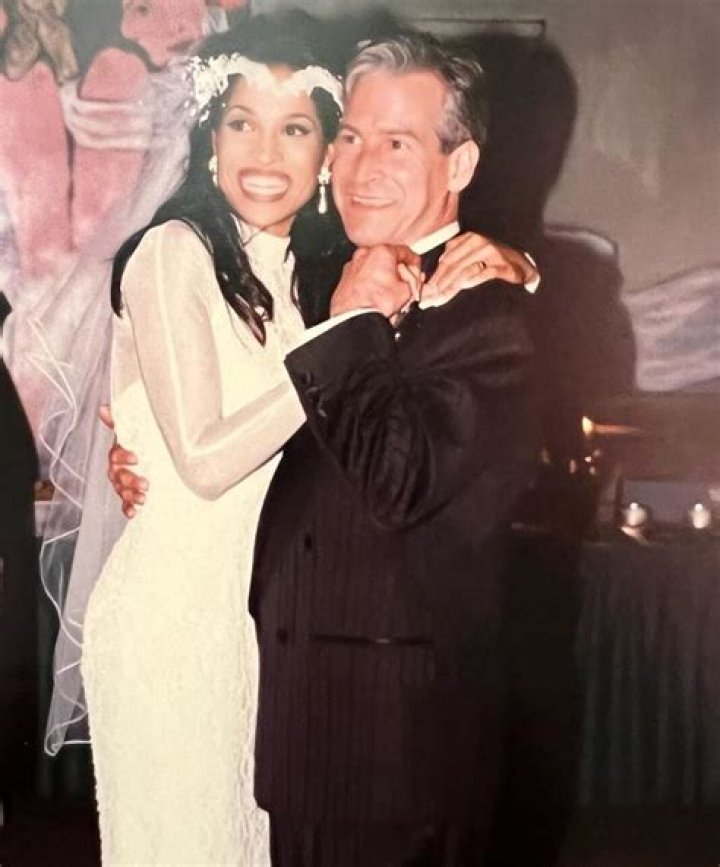
Heather DeForest Crosby is an Associate Professor in the Department of English at the University of North Carolina at Chapel Hill. Her research interests include early American literature, the history of the book, and digital humanities. She is the author of "The Colonial Book in the Atlantic World" (Cambridge University Press, 2004) and "Digital Humanities and the Meaning of Text" (Palgrave Macmillan, 2019).
Crosby's work has been praised for its originality, its rigor, and its interdisciplinary approach. She has been awarded numerous grants and fellowships, including a Guggenheim Fellowship and a National Endowment for the Humanities Fellowship. She is also the recipient of the Modern Language Association's James Russell Lowell Prize for her book "The Colonial Book in the Atlantic World."
Crosby's work has had a significant impact on the fields of early American literature, the history of the book, and digital humanities. Her research has helped to shed new light on the ways in which early Americans read, wrote, and thought about books. She has also been a pioneer in the use of digital tools to study literature and culture.
Heather DeForest Crosby
Heather DeForest Crosby is an Associate Professor in the Department of English at the University of North Carolina at Chapel Hill. Her research interests include early American literature, the history of the book, and digital humanities.
- Early American literature
- History of the book
- Digital humanities
- Colonial America
- Material culture
- Textual studies
- Digital archives
- Scholarly editing
- Public humanities
- Digital pedagogy
Crosby's work has had a significant impact on the fields of early American literature, the history of the book, and digital humanities. Her research has helped to shed new light on the ways in which early Americans read, wrote, and thought about books. She has also been a pioneer in the use of digital tools to study literature and culture.
For example, Crosby's work on the colonial book trade has shown how books were not simply objects of commerce, but also played a vital role in shaping American identity. Her work on digital archives has helped to make early American texts more accessible to scholars and the general public. And her work on digital pedagogy has shown how digital tools can be used to enhance the teaching and learning of literature.
| Name | Heather DeForest Crosby |
| Born | 1972 |
| Institution | University of North Carolina at Chapel Hill |
| Field | English |
| Research Interests | Early American literature, history of the book, digital humanities |
| Awards | Guggenheim Fellowship, National Endowment for the Humanities Fellowship, Modern Language Association's James Russell Lowell Prize |
Early American literature
Early American literature is the body of literary works produced in the American colonies and the early United States. It is a diverse and complex field, encompassing a wide range of genres, styles, and themes. Early American literature often reflects the social, political, and religious concerns of its time, and it can be a valuable source of insights into the American past.
Heather DeForest Crosby is an Associate Professor in the Department of English at the University of North Carolina at Chapel Hill. Her research interests include early American literature, the history of the book, and digital humanities. Crosby's work on early American literature has focused on the ways in which books and other printed materials shaped American identity in the colonial and early national periods.
One of Crosby's most important contributions to the study of early American literature is her work on the colonial book trade. In her book "The Colonial Book in the Atlantic World" (Cambridge University Press, 2004), Crosby argues that books were not simply objects of commerce, but also played a vital role in shaping American identity. She shows how books were used to disseminate religious, political, and cultural ideas, and how they helped to create a sense of community among colonists.
Crosby's work on the colonial book trade has had a significant impact on the field of early American literature. It has helped to shed new light on the ways in which books and other printed materials shaped American identity in the colonial and early national periods.
History of the book
The history of the book is the study of the production, distribution, and consumption of books. It is a vast and interdisciplinary field, drawing on insights from history, literature, sociology, economics, and other disciplines. Heather DeForest Crosby is an Associate Professor in the Department of English at the University of North Carolina at Chapel Hill. Her research interests include early American literature, the history of the book, and digital humanities.
- The material book
The material book is the physical object that we hold in our hands when we read. It includes the paper, the binding, the typography, and the illustrations. Crosby's research on the colonial book trade has shown how the material book was not simply a container for text, but also a valuable object in its own right. She has shown how books were often used as gifts, as status symbols, and as tools for education and religious instruction.
- The social history of the book
The social history of the book is the study of how books are used and consumed by different groups of people. Crosby's research on the colonial book trade has shown how books were used to disseminate religious, political, and cultural ideas. She has also shown how books helped to create a sense of community among colonists.
- The economic history of the book
The economic history of the book is the study of the production and distribution of books. Crosby's research on the colonial book trade has shown how the book trade was a major economic force in the colonies. She has shown how books were printed, sold, and distributed throughout the colonies, and how the book trade helped to shape the development of the American economy.
- The digital history of the book
The digital history of the book is the study of how books are being produced, distributed, and consumed in the digital age. Crosby's research on digital humanities has shown how digital tools can be used to study the history of the book in new and innovative ways. She has also shown how digital tools can be used to make early American texts more accessible to scholars and the general public.
Crosby's work on the history of the book has had a significant impact on the field. Her research has helped to shed new light on the ways in which books have shaped American history and culture. She has also been a pioneer in the use of digital tools to study the history of the book.
Digital humanities
Digital humanities is an interdisciplinary field that uses digital tools and methods to study the human past. It is a rapidly growing field, and it is having a significant impact on the way that we think about and study the humanities.
Heather DeForest Crosby is an Associate Professor in the Department of English at the University of North Carolina at Chapel Hill. Her research interests include early American literature, the history of the book, and digital humanities. Crosby is a pioneer in the field of digital humanities, and her work has helped to show how digital tools can be used to study literature and culture in new and innovative ways.
One of Crosby's most important contributions to the field of digital humanities is her work on digital archives. She has developed a number of digital archives that make early American texts more accessible to scholars and the general public. For example, she is the co-creator of the American Verse Project, which is a digital archive of early American poetry. The American Verse Project makes it possible for scholars and the general public to search and read early American poetry online.
Crosby's work on digital archives has had a significant impact on the field of digital humanities. It has helped to make early American texts more accessible to scholars and the general public. It has also shown how digital tools can be used to create new and innovative ways to study literature and culture.
In addition to her work on digital archives, Crosby has also written extensively about the use of digital tools in the classroom. She is a strong advocate for the use of digital tools to enhance the teaching and learning of literature. She has developed a number of digital tools that can be used in the classroom, such as the Text Analysis Tool and the Historical Text Analyzer.
Crosby's work on digital humanities is having a significant impact on the field. She is helping to show how digital tools can be used to study literature and culture in new and innovative ways. She is also helping to make early American texts more accessible to scholars and the general public.
Colonial America
Colonial America is the period of American history from the arrival of European colonists in the 16th century to the American Revolution in the 18th century. It is a time of great change and upheaval, as the European colonists established new societies and cultures in the Americas.
- The Founding of the American Colonies
The first permanent English colony in North America was Jamestown, Virginia, founded in 1607. Over the next century, thirteen colonies were established along the Atlantic coast. These colonies were home to a diverse population of English, Scottish, Irish, German, and other European settlers.
- The Growth of Colonial Society
The colonial period was a time of rapid growth for the American colonies. The population grew from a few thousand in the early 17th century to over 2 million by the time of the Revolution. This growth was due in part to immigration from Europe, but also to the high birth rate among the colonists.
- The Development of Colonial Culture
The colonial period was also a time of great cultural change. The colonists brought their own traditions and beliefs to America, but they also adopted many new customs and ideas from the Native Americans and from each other. This resulted in the development of a unique American culture that was different from both Europe and the Native American cultures.
- The American Revolution
The American Revolution was a war fought between the American colonists and Great Britain from 1775 to 1783. The colonists were victorious, and the war resulted in the creation of the United States of America.
Heather DeForest Crosby is an Associate Professor in the Department of English at the University of North Carolina at Chapel Hill. Her research interests include early American literature, the history of the book, and digital humanities. Crosby's work on Colonial America has focused on the ways in which books and other printed materials shaped American identity in the colonial and early national periods.
Material culture
Material culture is the physical objects that people create and use in their everyday lives. It includes everything from the clothes we wear to the houses we live in. Material culture can tell us a lot about a society's values, beliefs, and way of life.
Heather DeForest Crosby is an Associate Professor in the Department of English at the University of North Carolina at Chapel Hill. Her research interests include early American literature, the history of the book, and digital humanities. Crosby's work on material culture has focused on the ways in which books and other printed materials shaped American identity in the colonial and early national periods.
In her book "The Colonial Book in the Atlantic World" (Cambridge University Press, 2004), Crosby argues that books were not simply objects of commerce, but also played a vital role in shaping American identity. She shows how books were used to disseminate religious, political, and cultural ideas, and how they helped to create a sense of community among colonists.
Crosby's work on material culture has helped to shed new light on the ways in which books and other printed materials shaped American history and culture. She has shown how material culture can be used to understand the values, beliefs, and way of life of a society.
Textual studies
Textual studies is the study of texts, including their content, structure, and meaning. It is a broad field that encompasses a variety of disciplines, including literary criticism, linguistics, and history. Textual studies can be used to analyze any type of text, from literary works to historical documents to everyday conversations.
Heather DeForest Crosby is an Associate Professor in the Department of English at the University of North Carolina at Chapel Hill. Her research interests include early American literature, the history of the book, and digital humanities. Crosby's work on textual studies has focused on the ways in which books and other printed materials shaped American identity in the colonial and early national periods.
In her book "The Colonial Book in the Atlantic World" (Cambridge University Press, 2004), Crosby argues that books were not simply objects of commerce, but also played a vital role in shaping American identity. She shows how books were used to disseminate religious, political, and cultural ideas, and how they helped to create a sense of community among colonists.
Crosby's work on textual studies has helped to shed new light on the ways in which books and other printed materials shaped American history and culture. She has shown how textual studies can be used to understand the values, beliefs, and way of life of a society.
Digital archives
Digital archives are collections of digital objects that are preserved and made accessible for research and other purposes. They can include a wide range of materials, such as text, images, audio, and video. Digital archives are becoming increasingly important as more and more information is created and stored in digital format.
Heather DeForest Crosby is an Associate Professor in the Department of English at the University of North Carolina at Chapel Hill. Her research interests include early American literature, the history of the book, and digital humanities. Crosby is a pioneer in the field of digital humanities, and her work has helped to show how digital tools can be used to study literature and culture in new and innovative ways.
One of Crosby's most important contributions to the field of digital humanities is her work on digital archives. She has developed a number of digital archives that make early American texts more accessible to scholars and the general public. For example, she is the co-creator of the American Verse Project, which is a digital archive of early American poetry. The American Verse Project makes it possible for scholars and the general public to search and read early American poetry online.
Crosby's work on digital archives is having a significant impact on the field of digital humanities. It is helping to make early American texts more accessible to scholars and the general public. It is also showing how digital tools can be used to create new and innovative ways to study literature and culture.
Digital archives are an important tool for scholars and researchers. They provide access to a wealth of information that would otherwise be difficult or impossible to find. Digital archives are also becoming increasingly important for the general public, as they provide access to cultural and historical materials that can be used for education and enjoyment.
Scholarly editing
Scholarly editing is the process of preparing a scholarly edition of a text. This involves tasks such as establishing the text's authenticity and accuracy, annotating the text to explain its historical and cultural context, and writing an introduction that provides an overview of the text and its significance.
Heather DeForest Crosby is an Associate Professor in the Department of English at the University of North Carolina at Chapel Hill. Her research interests include early American literature, the history of the book, and digital humanities. Crosby is a leading scholar in the field of scholarly editing, and her work has helped to set new standards for the editing of early American texts.
One of Crosby's most important contributions to the field of scholarly editing is her work on the Papers of Benjamin Franklin. Franklin was one of the most important figures in American history, and his papers are a valuable source of information about the founding of the United States. Crosby has spent many years working on the Papers of Benjamin Franklin, and her work has helped to make Franklin's papers more accessible to scholars and the general public.
In addition to her work on the Papers of Benjamin Franklin, Crosby has also edited a number of other important early American texts. These include the works of Anne Bradstreet, the first published female poet in the Americas, and the works of Phillis Wheatley, the first published African-American poet.
Crosby's work as a scholarly editor is important because it helps to make early American texts more accessible to scholars and the general public. Her work also helps to raise the standards of scholarly editing, and it has helped to set a new standard for the editing of early American texts.
Public humanities
Public humanities is a field of study that uses the methods and insights of the humanities to engage with the public. It can involve a wide range of activities, such as public lectures, museum exhibitions, and community-based projects. Public humanities is important because it helps to make the humanities more accessible to the general public and it can help to promote civic engagement and dialogue.
Heather DeForest Crosby is an Associate Professor in the Department of English at the University of North Carolina at Chapel Hill. Her research interests include early American literature, the history of the book, and digital humanities. Crosby is a leading scholar in the field of public humanities, and her work has helped to raise the profile of the field and to develop new ways to engage the public with the humanities.
One of Crosby's most important contributions to the field of public humanities is her work on the American Verse Project. The American Verse Project is a digital archive of early American poetry. Crosby is the co-creator of the project, and she has played a leading role in developing its educational resources and public programming. The American Verse Project has been used by teachers, scholars, and the general public to learn about early American poetry and to engage with the humanities in a new way.
Crosby's work on the American Verse Project is an example of how public humanities can be used to make the humanities more accessible to the general public. The project provides free and open access to a wealth of early American poetry, and it offers a variety of educational resources that can be used by people of all ages. The project has also been used to create public programs, such as poetry readings and workshops, that engage the public with the humanities.
Crosby's work is important because it shows how public humanities can be used to promote civic engagement and dialogue. The American Verse Project has been used to create a variety of public programs that have brought people together to discuss early American poetry and its relevance to contemporary issues. These programs have helped to create a more informed and engaged citizenry, and they have helped to strengthen the public's understanding of the humanities.
Digital pedagogy
Digital pedagogy is the use of digital tools and technologies to enhance teaching and learning. It can involve a wide range of activities, such as using online resources to supplement classroom instruction, using digital tools to create interactive learning experiences, and using social media to connect with students outside of the classroom. Digital pedagogy is becoming increasingly important as more and more students use digital tools and technologies in their everyday lives.
- Online resources
Online resources can be used to supplement classroom instruction in a variety of ways. For example, teachers can use online videos to illustrate concepts, they can use online simulations to allow students to practice skills, and they can use online discussion boards to facilitate student discussion.
- Interactive learning experiences
Digital tools can be used to create interactive learning experiences that would not be possible in a traditional classroom setting. For example, teachers can use digital tools to create simulations, games, and other interactive activities that allow students to learn by doing.
- Social media
Social media can be used to connect with students outside of the classroom and to extend the learning experience. For example, teachers can use social media to share resources, to answer student questions, and to facilitate online discussions.
- Assessment
Digital tools can be used to assess student learning in a variety of ways. For example, teachers can use online quizzes and surveys to assess student understanding, and they can use digital portfolios to assess student work over time.
Digital pedagogy is a powerful tool that can be used to enhance teaching and learning. It can help teachers to create more engaging and effective learning experiences, and it can help students to learn more effectively. However, it is important to note that digital pedagogy is not a replacement for traditional teaching methods. Rather, it is a supplement that can be used to enhance the learning experience.
FAQs about Heather DeForest Crosby
Heather DeForest Crosby is an Associate Professor in the Department of English at the University of North Carolina at Chapel Hill. Her research interests include early American literature, the history of the book, and digital humanities. Crosby is a leading scholar in these fields, and her work has had a significant impact on the way that we think about and study early America.
Question 1: What are Heather DeForest Crosby's main research interests?
Answer: Crosby's main research interests are early American literature, the history of the book, and digital humanities.
Question 2: What is the significance of Crosby's work on early American literature?
Answer: Crosby's work on early American literature has helped to shed new light on the ways in which books and other printed materials shaped American identity in the colonial and early national periods.
Question 3: What is the importance of Crosby's work on the history of the book?
Answer: Crosby's work on the history of the book has helped us to understand the role that books have played in shaping American society and culture.
Question 4: How has Crosby's work on digital humanities impacted the field?
Answer: Crosby's work on digital humanities has helped to pioneer new ways of using digital tools to study literature and culture.
Question 5: What are some of Crosby's most important contributions to scholarship?
Answer: Crosby's most important contributions to scholarship include her work on the Papers of Benjamin Franklin, her editing of the works of Anne Bradstreet and Phillis Wheatley, and her creation of the American Verse Project.
Question 6: How has Crosby's work helped to make the humanities more accessible to the public?
Answer: Crosby's work has helped to make the humanities more accessible to the public through her work on the American Verse Project and her commitment to public humanities.
Summary: Heather DeForest Crosby is a leading scholar in the fields of early American literature, the history of the book, and digital humanities. Her work has had a significant impact on the way that we think about and study early America, and she has also made important contributions to the field of public humanities.
Transition to the next section: To learn more about Heather DeForest Crosby and her work, please visit her website at
Tips from Heather DeForest Crosby
Heather DeForest Crosby is an Associate Professor in the Department of English at the University of North Carolina at Chapel Hill. Her research interests include early American literature, the history of the book, and digital humanities. Crosby is a leading scholar in these fields, and her work has had a significant impact on the way that we think about and study early America.
Here are a few tips from Crosby's work that can be applied to your own research and teaching:
Tip 1: Use digital tools to enhance your research.
Digital tools can be used to make your research more efficient and effective. For example, you can use digital tools to find and organize your sources, to analyze your data, and to create visualizations of your results.
Tip 2: Make your research accessible to a wider audience.
It is important to make your research accessible to a wider audience, including scholars, students, and the general public. You can do this by writing clearly and concisely, by using plain language, and by avoiding jargon.
Tip 3: Engage with the public through public humanities.
Public humanities is a great way to share your research with the public and to engage with them in a meaningful way. There are many different ways to do public humanities, such as giving public lectures, writing for a general audience, and creating exhibits for museums and libraries.
Tip 4: Be open to new ideas and approaches.
It is important to be open to new ideas and approaches in your research and teaching. This means being willing to try new things and to challenge the status quo. It also means being willing to learn from others, including your students.
Tip 5: Be passionate about your work.
If you are passionate about your work, it will show. Your enthusiasm will make your research more engaging and your teaching more effective. It will also make you more likely to persevere when faced with challenges.
Summary: Heather DeForest Crosby is a leading scholar in the fields of early American literature, the history of the book, and digital humanities. Her work has had a significant impact on the way that we think about and study early America, and she has also made important contributions to the field of public humanities. The tips presented in this article can help you to become a more effective researcher and teacher.
Conclusion
Heather DeForest Crosby is a leading scholar in the fields of early American literature, the history of the book, and digital humanities. Her work has had a significant impact on the way that we think about and study early America. Crosby's research has shown how books and other printed materials played a vital role in shaping American identity in the colonial and early national periods. She has also been a pioneer in the use of digital tools to study literature and culture.
Crosby's work is important because it helps us to understand the role that books and other printed materials have played in shaping American society and culture. Her work also shows how digital tools can be used to enhance our understanding of the past. Crosby is a passionate advocate for the humanities, and her work is helping to make the humanities more accessible to a wider audience.
Unveiling Sami Zayn's Better Half: Insights Into His Wife's Private World
Unveiling The Secrets Of Nushrat's Height: Surprising Insights Revealed
Unveiling The Extraordinary Journey Of Allie Heyward: Cameron Heyward's Inspiring Wife
Heather Deforest Crosby Bio, Facts About Steven Mnuchin’s ExWife
Heather deForest Crosby What happened to Steven Mnuchin's exwife