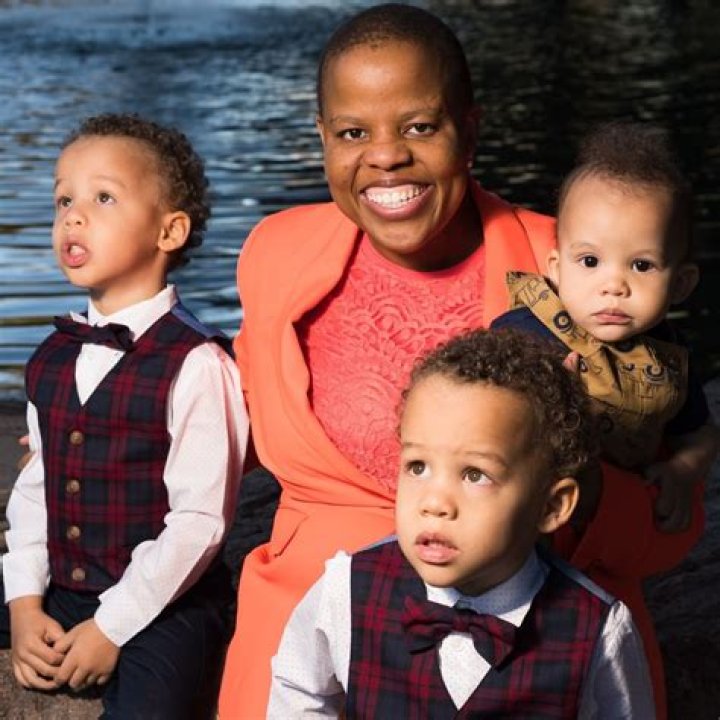
Kelley Cahill is an American journalist, author, and professor. She is currently a professor of journalism at the University of Nebraska-Lincoln and the director of the university's Center for Advanced Digital Research in Journalism and Communications.
Cahill is a graduate of the University of Missouri and has worked as a reporter for the Kansas City Star and the Chicago Tribune. She is the author of several books on journalism, including "The Adversarial Tradition: A Primer for the 21st Century" and "Rethinking Journalism: Trust and Truth in a Digital Age." Cahill is a frequent commentator on journalism and media issues and has appeared on CNN, MSNBC, and NPR.
Cahill's work has been praised for its clarity, insights, and commitment to journalistic principles. She is a strong advocate for the importance of a free and independent press and has been a vocal critic of efforts to undermine these principles.
Kelley Cahill
Kelley Cahill is an American journalist, author, professor, and advocate for journalistic principles. Her work focuses on:
- Journalism education
- Digital journalism
- Media ethics
- Free speech
- The role of journalism in a democracy
Cahill's work is informed by her experience as a reporter, editor, and journalism professor. She is a strong advocate for the importance of a free and independent press and has been a vocal critic of efforts to undermine these principles. Cahill's work has been praised for its clarity, insights, and commitment to journalistic principles. She is a frequent commentator on journalism and media issues and has appeared on CNN, MSNBC, and NPR.
Journalism education
Kelley Cahill is a strong advocate for journalism education. She believes that it is essential for journalists to have a strong foundation in the principles of journalism, including ethics, reporting, and writing. Cahill also believes that journalism education should be relevant to the real world and that students should have the opportunity to learn from experienced journalists.
- Curriculum development
Cahill has been involved in developing journalism curricula for both undergraduate and graduate students. She has also developed online journalism courses. - Teaching methods
Cahill uses a variety of teaching methods in her journalism courses, including lectures, discussions, and simulations. She also encourages her students to get involved in extracurricular activities, such as the student newspaper and the journalism honor society. - Mentoring
Cahill is a strong believer in mentoring and has mentored many young journalists. She provides her mentees with guidance and support, and she helps them to develop their skills and knowledge. - Advocacy
Cahill is an advocate for journalism education at the state and national level. She has served on several journalism education committees, and she has spoken out in support of funding for journalism education.
Cahill's work in journalism education has had a significant impact on the field. She has helped to develop new curricula and teaching methods, and she has mentored many young journalists. Cahill is a passionate advocate for journalism education, and she believes that it is essential for the future of journalism.
Digital journalism and Kelley Cahill
Kelley Cahill is a leading expert on digital journalism. She has written extensively about the topic and has been a vocal advocate for the use of digital tools and technologies in journalism. Cahill believes that digital journalism is essential for the future of journalism and that it has the potential to make journalism more accessible, engaging, and impactful.
- The role of digital tools in journalism
Cahill believes that digital tools can be used to improve every aspect of journalism, from reporting to writing to editing. She argues that digital tools can help journalists to gather information more quickly and efficiently, to tell stories more effectively, and to reach a wider audience. - The importance of audience engagement
Cahill also emphasizes the importance of audience engagement in digital journalism. She believes that journalists need to find ways to engage with their audience and to build relationships with them. She argues that this can be done through social media, email newsletters, and other digital tools. - The ethical challenges of digital journalism
Cahill also recognizes the ethical challenges that come with digital journalism. She argues that journalists need to be aware of the potential for bias and misinformation in digital media. She also believes that journalists need to be transparent about their methods and sources. - The future of digital journalism
Cahill is optimistic about the future of digital journalism. She believes that digital tools and technologies have the potential to make journalism more accessible, engaging, and impactful. She also believes that digital journalism can help to build a more informed and engaged citizenry.
Cahill's work on digital journalism has had a significant impact on the field. She has helped to shape the way that journalists use digital tools and technologies. She has also been a vocal advocate for the importance of audience engagement and ethics in digital journalism.
Media ethics
Media ethics are the principles that guide journalists in their work. These principles include accuracy, fairness, objectivity, and independence. Kelley Cahill is a strong advocate for media ethics and believes that they are essential for the future of journalism.
- Accuracy
Accuracy is one of the most important principles of media ethics. Journalists have a responsibility to report the facts accurately and to avoid bias. Cahill believes that accuracy is essential for building trust with the audience. - Fairness
Fairness is another important principle of media ethics. Journalists have a responsibility to present all sides of a story and to avoid bias. Cahill believes that fairness is essential for ensuring that the public has access to all the information it needs to make informed decisions. - Objectivity
Objectivity is a principle of media ethics that requires journalists to report the news without bias. Cahill believes that objectivity is important for ensuring that the public has access to unbiased information. - Independence
Independence is a principle of media ethics that requires journalists to be independent from outside influences. Cahill believes that independence is important for ensuring that the public has access to information that is not controlled by special interests.
Cahill's work on media ethics has had a significant impact on the field. She has helped to shape the way that journalists think about ethics and has been a vocal advocate for the importance of media ethics in a democracy.
Free speech and Kelley Cahill
Kelley Cahill is a strong advocate for free speech. She believes that free speech is essential for a healthy democracy and that it allows for the free exchange of ideas and information. Cahill has written extensively about free speech and has been a vocal critic of efforts to restrict free speech.
- The importance of free speech
Cahill believes that free speech is essential for a healthy democracy. She argues that free speech allows for the free exchange of ideas and information, which is necessary for people to make informed decisions about their lives and their government. - The limits of free speech
Cahill also recognizes that there are some limits to free speech. She believes that speech that is harmful or dangerous, such as threats of violence or incitement to violence, can be restricted. However, she argues that these restrictions should be narrowly tailored and that they should not be used to silence unpopular or controversial speech. - The role of journalists in protecting free speech
Cahill believes that journalists have a special role to play in protecting free speech. She argues that journalists have a responsibility to report on all sides of an issue and to avoid bias. She also believes that journalists should be independent from outside influences, such as government or corporate interests. - The threats to free speech
Cahill believes that there are a number of threats to free speech today. These threats include government censorship, corporate censorship, and self-censorship. She argues that it is important to be vigilant against these threats and to defend free speech whenever it is under attack.
Cahill's work on free speech has had a significant impact on the field. She has helped to shape the way that people think about free speech and has been a vocal advocate for the importance of free speech in a democracy.
The role of journalism in a democracy
Kelley Cahill is a strong advocate for the role of journalism in a democracy. She believes that journalism is essential for informing the public, holding those in power accountable, and promoting civic engagement.
- Informing the public
Journalism plays a vital role in informing the public about important issues. Journalists investigate stories, gather information, and report on the news in a way that helps people understand the world around them. This information is essential for people to make informed decisions about their lives and their government. - Holding those in power accountable
Journalism also plays a vital role in holding those in power accountable. Journalists investigate corruption, misconduct, and other abuses of power. They report on these issues in a way that helps the public understand what is happening and to hold those responsible to account. - Promoting civic engagement
Journalism can also help to promote civic engagement. By informing the public about important issues and holding those in power accountable, journalism can help to create a more informed and engaged citizenry. This is essential for a healthy democracy.
Cahill's work on the role of journalism in a democracy has had a significant impact on the field. She has helped to shape the way that journalists think about their role in society and has been a vocal advocate for the importance of journalism in a democracy.
FAQs about Kelley Cahill
This section provides answers to frequently asked questions about Kelley Cahill, her work, and her contributions to journalism.
Question 1: What are Kelley Cahill's main areas of expertise?Kelley Cahill is an expert in journalism education, digital journalism, media ethics, free speech, and the role of journalism in a democracy.
Question 2: What is Kelley Cahill's view on the importance of journalism education?Cahill believes that journalism education is essential for journalists to have a strong foundation in the principles of journalism, including ethics, reporting, and writing.
Question 3: What are Kelley Cahill's thoughts on the future of digital journalism?Cahill is optimistic about the future of digital journalism. She believes that digital tools and technologies have the potential to make journalism more accessible, engaging, and impactful.
Question 4: What are Kelley Cahill's views on media ethics?Cahill is a strong advocate for media ethics. She believes that accuracy, fairness, objectivity, and independence are essential principles for journalists to follow.
Question 5: What is Kelley Cahill's stance on free speech?Cahill is a strong advocate for free speech. She believes that free speech is essential for a healthy democracy and that it allows for the free exchange of ideas and information.
Question 6: What is Kelley Cahill's view on the role of journalism in a democracy?Cahill believes that journalism is essential for informing the public, holding those in power accountable, and promoting civic engagement.
Cahill's work in these areas has had a significant impact on the field of journalism. She is a leading expert on journalism education, digital journalism, media ethics, free speech, and the role of journalism in a democracy.
For more information on Kelley Cahill and her work, please visit her website.
Tips by Kelley Cahill
Kelley Cahill is an expert in journalism education, digital journalism, media ethics, free speech, and the role of journalism in a democracy. She has written extensively about these topics and has been a vocal advocate for the importance of journalism in a free and democratic society.
Here are five tips from Kelley Cahill on how to be a better journalist:
Tip 1: Be accurate and fair.Accuracy and fairness are the cornerstones of good journalism. Journalists have a responsibility to report the facts accurately and to present all sides of a story fairly. This means checking your facts carefully, being transparent about your sources, and avoiding bias in your reporting.Tip 2: Be independent.
Journalists should be independent from outside influences, such as government, corporate interests, or political parties. This means that journalists should not allow their personal biases to interfere with their reporting and that they should not be afraid to criticize those in power.Tip 3: Be ethical.
Journalists have a responsibility to follow ethical principles in their work. These principles include honesty, integrity, and objectivity. Journalists should also avoid conflicts of interest and should be transparent about their relationships with sources.Tip 4: Be accountable.
Journalists should be accountable for their work. This means that they should be willing to correct errors and to apologize for mistakes. Journalists should also be open to feedback from the public and should be willing to listen to criticism.Tip 5: Be engaged with your audience.
In today's digital age, journalists need to be engaged with their audience. This means using social media and other digital tools to connect with readers and viewers. Journalists should also be responsive to feedback from their audience and should be willing to adapt their work to meet the needs of their audience.
By following these tips, journalists can improve their work and contribute to a more informed and engaged citizenry.
Conclusion
Kelley Cahill is a leading expert on journalism education, digital journalism, media ethics, free speech, and the role of journalism in a democracy. Her work has had a significant impact on the field of journalism, and she is a strong advocate for the importance of journalism in a free and democratic society.
Cahill's work is particularly important in the current era, when journalism is facing a number of challenges, including the rise of fake news, the decline of trust in the media, and the increasing concentration of media ownership. Cahill's work provides a roadmap for how journalism can overcome these challenges and continue to play a vital role in society.
Cahill's work is a valuable resource for journalists, journalism educators, and anyone who is interested in the future of journalism. Her insights and recommendations can help to ensure that journalism remains a vital force for good in the world.
Uncover Hidden Gems And Insights: Discover "Now Habersham" Today
Unlock The Secrets Of Multifaceted Entertainment Icon: Dorien Wilson
Unveiling Erin Lichy: Journey Of A Multifaceted Talent
:max_bytes(150000):strip_icc():focal(979x449:981x451)/john-rahm-kelley-cahill-1-124d0e9ccebc4786a6e39fce434bf07e.jpg)
:max_bytes(150000):strip_icc():focal(999x0:1001x2)/john-rahm-kelley-cahill-4-1427436fdd714ec19b1ec7b69906eb94.jpg)