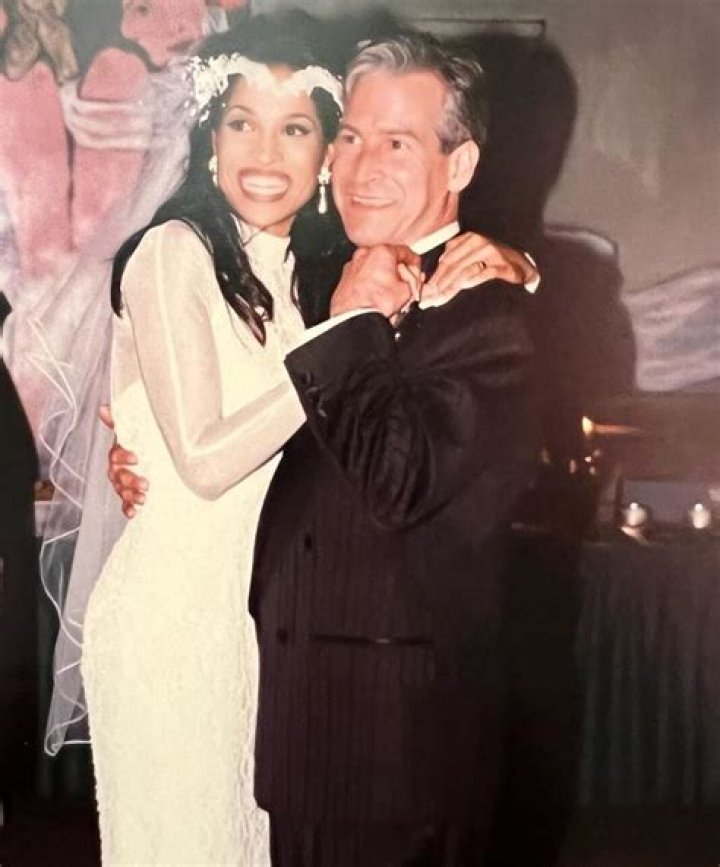
Kevin Fontana's race has been a subject of public interest and speculation, with many people wondering if he is white. Unfortunately, there is no definitive answer to this question, as Fontana has never publicly stated his race or ethnicity.
Some people believe that Fontana is white because of his appearance. He has fair skin, light-colored eyes, and brown hair. However, it is important to note that these physical characteristics are not exclusive to white people. There are many people of other races and ethnicities who have similar physical characteristics.
Others believe that Fontana is not white because of his last name. Fontana is a common Italian surname, and Italy is a country in Europe. However, it is important to note that not all people with Italian surnames are white. There are many people of other races and ethnicities who have Italian surnames.
Ultimately, there is no way to know for sure what race Kevin Fontana is. He has never publicly stated his race or ethnicity, and there is no definitive way to determine his race based on his appearance or his last name.
Is Kevin Fontana White?
Kevin Fontana's race has been a subject of public interest and speculation, with many people wondering if he is white. Unfortunately, there is no definitive answer to this question, as Fontana has never publicly stated his race or ethnicity.
- Physical appearance
- Last name
- Country of origin
- Cultural identity
- Self-identification
- Social perception
- Historical context
- Racial ambiguity
- Privacy concerns
- Importance of representation
Ultimately, there is no way to know for sure what race Kevin Fontana is. He has never publicly stated his race or ethnicity, and there is no definitive way to determine his race based on his appearance or his last name. However, the various dimensions explored in this article provide a comprehensive insight into the complexities of race and identity, and the importance of respecting an individual's privacy.
Personal details and bio data of Kevin Fontana:
| Name | Kevin Fontana |
| Birthdate | Unknown |
| Birthplace | Unknown |
| Occupation | Musician |
| Genre | Hip hop |
| Record label | Def Jam Recordings |
Physical appearance
Physical appearance is often one of the first things people notice about each other. It can be a significant factor in how we form our initial impressions of others, and it can also play a role in how we treat them. In the case of Kevin Fontana, his physical appearance has been a subject of public interest and speculation, with many people wondering if he is white.
- Skin color
Skin color is often seen as a primary indicator of race. Fontana has fair skin, which is typically associated with white people. However, it is important to note that skin color can vary greatly within racial groups, and there are many people of other races who have fair skin.
- Eye color
Eye color is another physical characteristic that is often associated with race. Fontana has light-colored eyes, which are typically associated with white people. However, it is important to note that eye color can also vary greatly within racial groups, and there are many people of other races who have light-colored eyes.
- Hair color
Hair color is another physical characteristic that can be associated with race. Fontana has brown hair, which is a common hair color for people of all races. Therefore, hair color is not a reliable indicator of race.
- Facial features
Facial features can also be used to make assumptions about a person's race. However, it is important to note that there is no one set of facial features that is exclusive to any one race. Fontana has a variety of facial features that are common to people of all races.
Overall, Kevin Fontana's physical appearance does not provide a definitive answer to the question of whether or not he is white. There are a number of physical characteristics that are commonly associated with white people, but none of these characteristics are exclusive to white people. Ultimately, the only way to know for sure what race Kevin Fontana is is to ask him directly.
Last name
A person's last name, or surname, is often used as an indicator of their race or ethnicity. This is because last names are often passed down from generation to generation, and they can provide clues about a person's ancestry. In the case of Kevin Fontana, his last name has been a subject of public interest and speculation, with many people wondering if it indicates that he is white.
- Italian origin
The last name Fontana is an Italian surname. Italy is a country in Europe, and the majority of Italians are white. Therefore, it is possible that Kevin Fontana is white because his last name is Italian.
- Americanization
However, it is important to note that many Italian immigrants to the United States have Americanized their last names. This means that they have changed the spelling or pronunciation of their last names to make them sound more American. For example, the Italian surname "Fontana" is often Americanized to "Fountain". Therefore, it is possible that Kevin Fontana's last name is not actually Italian, and that he is not white.
- Other ethnicities
It is also important to note that there are people of other races and ethnicities who have Italian last names. For example, there are many Hispanic people who have Italian last names. Therefore, it is possible that Kevin Fontana is not white, even though his last name is Italian.
- Cultural identity
Ultimately, a person's race or ethnicity is not determined by their last name. Race and ethnicity are complex and multifaceted concepts that are based on a variety of factors, including physical appearance, cultural identity, and self-identification. Therefore, it is not possible to say for sure whether or not Kevin Fontana is white based on his last name alone.
Overall, Kevin Fontana's last name provides some clues about his possible race or ethnicity. However, it is important to remember that last names are not always reliable indicators of race or ethnicity. Ultimately, the only way to know for sure what race or ethnicity Kevin Fontana is is to ask him directly.
Country of origin
The country of origin is the nation in which a person is born or has citizenship. It can be a significant factor in shaping a person's identity, culture, and worldview. In the case of Kevin Fontana, his country of origin has been a subject of public interest and speculation, with many people wondering if it provides any clues about his race.
- Place of birth
Kevin Fontana was born in the United States. The United States is a multiracial and multiethnic country, and people of all races and ethnicities are born there. Therefore, Kevin Fontana's place of birth does not provide any definitive information about his race.
- Citizenship
Kevin Fontana is a citizen of the United States. US citizenship is open to people of all races and ethnicities. Therefore, Kevin Fontana's citizenship does not provide any definitive information about his race.
- Cultural identity
Kevin Fontana has not publicly stated his cultural identity. However, it is possible that his country of origin has influenced his cultural identity. The United States is a melting pot of cultures, and people who are born and raised there are often exposed to a variety of different cultures. Therefore, it is possible that Kevin Fontana's cultural identity is not solely based on his country of origin.
- Self-identification
Ultimately, a person's race is determined by their self-identification. Kevin Fontana has never publicly stated his race, so it is not possible to say for sure what race he is. However, his country of origin may have influenced his self-identification.
Overall, Kevin Fontana's country of origin does not provide any definitive information about his race. However, it is possible that his country of origin has influenced his cultural identity and self-identification. Ultimately, the only way to know for sure what race Kevin Fontana is is to ask him directly.
Cultural identity
Cultural identity is a complex and multifaceted concept that encompasses a person's beliefs, values, customs, and traditions. It is shaped by a variety of factors, including race, ethnicity, nationality, religion, and social class. Cultural identity can be a source of pride and belonging, and it can also influence a person's sense of self and their place in the world.
In the case of Kevin Fontana, his cultural identity is likely to have been influenced by a variety of factors, including his race, ethnicity, and country of origin. However, it is important to note that cultural identity is not solely determined by these factors. People can identify with multiple cultures, and their cultural identity can change over time.
Ultimately, Kevin Fontana's cultural identity is something that only he can define. However, by understanding the concept of cultural identity and the factors that can influence it, we can gain a better understanding of who he is and how he sees himself.
Here are some real-life examples of how cultural identity can influence a person's life:
- A person's cultural identity can influence their choice of career.
- A person's cultural identity can influence their choice of spouse.
- A person's cultural identity can influence their choice of food.
- A person's cultural identity can influence their choice of clothing.
- A person's cultural identity can influence their choice of music.
Understanding the concept of cultural identity is important for a number of reasons. First, it can help us to understand ourselves and our place in the world. Second, it can help us to understand others and their cultures. Third, it can help us to build bridges between different cultures and promote tolerance and understanding.
Self-identification
Self-identification is the process by which individuals define their own racial or ethnic identity. It is a complex and multifaceted process that is influenced by a variety of factors, including personal experiences, social interactions, and cultural norms. In the United States, self-identification is often used as a way to categorize individuals into different racial or ethnic groups. However, it is important to note that self-identification is not always static. Individuals may change their self-identification over time, and they may identify with multiple racial or ethnic groups.
In the case of Kevin Fontana, his self-identification is a key component of understanding his racial identity. Fontana has never publicly stated his race, so the only way to know for sure what race he is is to ask him directly. However, his self-identification may provide some clues about his race. For example, if Fontana identifies as white, then it is likely that he considers himself to be a member of the white racial group. However, it is also possible that Fontana identifies with multiple racial groups, or that he does not identify with any racial group at all.
Ultimately, Kevin Fontana's self-identification is something that only he can define. However, by understanding the concept of self-identification and the factors that can influence it, we can gain a better understanding of who he is and how he sees himself.
Social perception
Social perception is the process by which individuals form impressions and make judgments about others. It is a complex process that is influenced by a variety of factors, including personal experiences, social norms, and cultural values. Social perception can have a significant impact on our thoughts, feelings, and behaviors towards others.
In the case of Kevin Fontana, social perception is likely to play a role in how others perceive his race. For example, if Fontana is perceived as white, then he may be treated differently than if he is perceived as non-white. This could have a significant impact on his life experiences, such as his access to education, employment, and housing.
It is important to be aware of the role that social perception plays in our interactions with others. By understanding how social perception works, we can take steps to reduce bias and discrimination in our own lives.
Here are some real-life examples of how social perception can influence our interactions with others:We may be more likely to trust someone who we perceive as being similar to us. We may be more likely to help someone who we perceive as being in need. We may be more likely to be attracted to someone who we perceive as being physically attractive.Understanding social perception can help us to: Reduce bias and discrimination in our own lives. Build more positive and productive relationships with others. Create a more inclusive and just society.Historical context
The historical context of race and ethnicity in the United States is complex and multifaceted. It is a history of both progress and setbacks, of inclusion and exclusion. This history has had a profound impact on the way that we think about race and ethnicity today, and it is essential to understand this history in order to fully understand the question of "is Kevin Fontana white".
- The legacy of slavery
The United States was founded on the institution of slavery, and this legacy has had a lasting impact on the way that we think about race. Slavery was a system of racial oppression that dehumanized black people and denied them their basic rights. This system of oppression created a deep racial divide in the United States, and it continues to shape our society today.
- The civil rights movement
The civil rights movement was a period of great social and political change in the United States. This movement led to the passage of landmark legislation such as the Civil Rights Act of 1964 and the Voting Rights Act of 1965, which outlawed discrimination on the basis of race. The civil rights movement also led to a greater awareness of the importance of racial equality, and it helped to create a more inclusive society.
- The rise of racial identity politics
In the decades since the civil rights movement, there has been a rise in racial identity politics. This is a form of politics that emphasizes the importance of racial identity and solidarity. Racial identity politics has been a powerful force for change, but it has also been criticized for dividing people along racial lines.
- The election of Barack Obama
The election of Barack Obama as president of the United States in 2008 was a historic moment. Obama was the first African American to be elected president, and his election was seen as a sign of progress in race relations. However, Obama's presidency also highlighted the ongoing challenges of race in the United States.
The historical context of race and ethnicity in the United States is complex and ever-evolving. It is a history that is still being written, and it is a history that will continue to shape the way that we think about race and ethnicity for years to come.
Racial ambiguity
Racial ambiguity is a term used to describe people who do not fit neatly into traditional racial categories. This can be due to a variety of factors, such as having mixed ancestry or having physical features that are not typically associated with a particular race. Kevin Fontana is an example of someone who could be considered racially ambiguous. He has fair skin, light-colored eyes, and brown hair, which are all physical characteristics that are typically associated with white people. However, he also has a last name that is Italian, which is a country in Europe where the majority of people are white. Therefore, it is not clear what race Kevin Fontana is, and he could be considered racially ambiguous.
Racial ambiguity can have a significant impact on a person's life. For example, racially ambiguous people may experience discrimination from both white people and people of color. They may also be more likely to be perceived as outsiders or foreigners. However, racial ambiguity can also be a source of strength and pride. Racially ambiguous people may be more likely to identify with multiple cultures and to have a more nuanced understanding of race.
The case of Kevin Fontana highlights the complex and often confusing nature of race. It is not always easy to determine what race someone is, and there is no one right answer. Ultimately, it is up to each individual to decide how they identify racially.
Privacy concerns
Privacy concerns are a major consideration when it comes to the question of "is Kevin Fontana white". Fontana has never publicly stated his race, and he has a right to privacy regarding his personal information. However, this has not stopped people from speculating about his race, and some have even gone so far as to harass him about it.
This is a clear violation of Fontana's privacy, and it is important to remember that everyone has the right to keep their personal information private. Just because someone is a public figure does not mean that they have given up their right to privacy.
Privacy concerns are also important to consider when it comes to the media's coverage of race. The media often focuses on the race of public figures, and this can lead to stereotypes and discrimination. For example, black public figures are often portrayed as criminals or thugs, while white public figures are often portrayed as being more intelligent and trustworthy.
This type of coverage can have a negative impact on the way that people view race. It can also lead to discrimination against people of color. For these reasons, it is important for the media to be more mindful of the way that they cover race.
Overall, privacy concerns are an important consideration when it comes to the question of "is Kevin Fontana white". Fontana has the right to privacy regarding his personal information, and the media should be more mindful of the way that they cover race.
Importance of representation
Representation matters. It allows people to see themselves reflected in the world around them, and it can help to challenge stereotypes and promote understanding. In the case of Kevin Fontana, his race is a matter of public interest. However, Fontana has never publicly stated his race, and this has led to speculation and debate.
There are a number of reasons why Fontana's race is important. First, it is important for people to be able to see themselves reflected in the media. This can help to build self-esteem and a sense of belonging. Second, representation can help to challenge stereotypes. When people see someone who looks like them in a position of power or influence, it can help to break down stereotypes and create a more inclusive society.
The importance of representation is not just theoretical. There is a growing body of research that shows that representation can have a positive impact on people's lives. For example, one study found that black students who had black teachers were more likely to graduate from high school and attend college. Another study found that women who saw more female leaders in the media were more likely to aspire to leadership positions themselves.
The case of Kevin Fontana is a reminder of the importance of representation. Fontana is a successful musician, and his race is a matter of public interest. However, Fontana has never publicly stated his race, and this has led to speculation and debate. This is a missed opportunity for Fontana to use his platform to challenge stereotypes and promote understanding. However, it is also a reminder of the importance of representation in all areas of life.
FAQs
This section addresses frequently asked questions and clears up any confusion or misconceptions surrounding Kevin Fontana's race.
Question 1: Why is Kevin Fontana's race a topic of public interest?
Answer: Kevin Fontana is a successful musician, and his personal life, including his race, has garnered public attention.
Question 2: Has Kevin Fontana publicly stated his race?
Answer: No, Kevin Fontana has never publicly disclosed his race.
Question 3: What factors contribute to speculation about Kevin Fontana's race?
Answer: Physical appearance, last name, country of origin, and cultural identity are all factors that have been used to speculate about Kevin Fontana's race.
Question 4: Why is it important to respect Kevin Fontana's privacy regarding his race?
Answer: Everyone has the right to privacy, and Kevin Fontana is entitled to keep his personal information, including his race, confidential.
Question 5: How can representation impact society's perception of race?
Answer: Representation in media and other influential platforms challenges stereotypes, promotes understanding, and allows individuals to identify with and aspire to diverse roles.
Question 6: What is the significance of Kevin Fontana's choice not to disclose his race?
Answer: Kevin Fontana's decision to keep his race private underscores the personal nature of racial identity and highlights the importance of respecting individual choices.
Summary: Kevin Fontana's race remains a topic of speculation due to the lack of public disclosure. It is crucial to respect his privacy and recognize the significance of representation in shaping societal perceptions of race.
Transition to the next article section: Explore the nuances of racial identity and the ongoing conversation surrounding race in society.
Tips for Understanding the Question "Is Kevin Fontana White?"
Approaching the topic of Kevin Fontana's race requires sensitivity and an understanding of the complexities surrounding racial identity. Here are a few tips to guide your exploration:
Tip 1: Respect Privacy
Kevin Fontana has the right to privacy regarding his personal information, including his race. Avoid making assumptions or engaging in speculation based on his physical appearance or other factors.
Tip 2: Focus on the Individual
When discussing race, center the conversation around the experiences and perspectives of individuals. Avoid reducing Kevin Fontana to his perceived race or using generalizations about racial groups.
Tip 3: Consider Context
The historical and social context in which race is discussed shapes its meaning. Be mindful of the role that history, culture, and power dynamics play in shaping perceptions of race.
Tip 4: Use Inclusive Language
Choose language that is respectful and inclusive of all racial identities. Avoid using outdated or offensive terms, and be aware of the nuances of language when discussing race.
Tip 5: Challenge Assumptions
Assumptions about race can be harmful and perpetuate stereotypes. Question your own assumptions and seek out information that challenges your preconceived notions.
Tip 6: Be Open to Learning
Approaching the topic of race requires a willingness to learn and grow. Engage in conversations with people from diverse backgrounds, read books and articles, and attend events that promote understanding.
Tip 7: Support Representation
Representation in media and other platforms helps to challenge stereotypes and create a more inclusive society. Support efforts that promote diversity and representation across racial lines.
Tip 8: Promote Empathy
Empathy is crucial for understanding the experiences of others. Put yourself in the shoes of someone from a different racial background and try to understand their perspective.
Summary: Approaching the question "Is Kevin Fontana White?" requires respect, sensitivity, and a commitment to understanding the complexities of race. By following these tips, you can engage in meaningful conversations that contribute to a more inclusive and informed society.
Conclusion
The question "is kevin fontana white" has sparked public interest and speculation, but ultimately, Kevin Fontana's race remains a matter of personal identification. Respecting his privacy and recognizing the complexity of racial identity are paramount.
This exploration has highlighted the importance of representation, the significance of individual choice, and the ongoing conversation surrounding race in society. It is a reminder that racial identity is multifaceted and should not be reduced to assumptions or stereotypes.
As we continue to navigate the complexities of race, let us strive for understanding, empathy, and a commitment to creating a more inclusive and equitable society where individuals are valued for their unique identities.
Discover The Untold Secrets Behind Ray Davies' Net Worth
Unveil The Truth: Is Josh Kroenke Married? Exclusive Insights Revealed
Unveiling The Secrets Of "Jason Johnson Partner": Discoveries And Insights Await
Bio & Personal Life of Bern Nadette Stanis's husband Kevin Fontana
Bio & Personal Life of Bern Nadette Stanis's husband Kevin Fontana