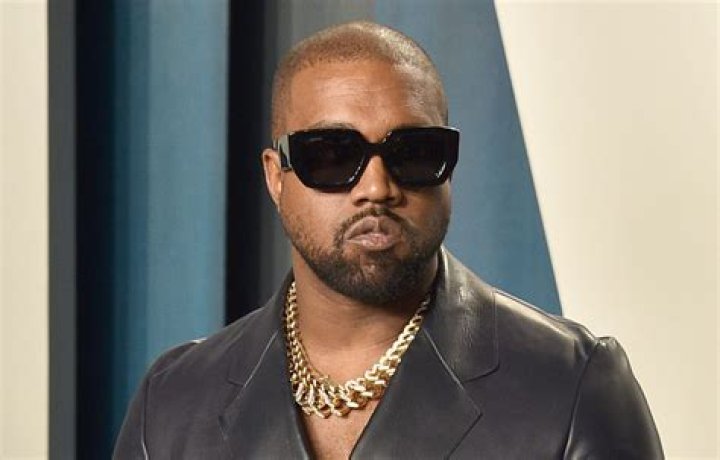
Paul Martin's height refers to the physical stature of Canadian politician Paul Martin. He stands at 6 feet 2 inches (1.88 meters) tall. Martin's height has been a topic of discussion, with some commentators noting that it may have contributed to his success in politics.
There is some evidence to suggest that taller people are more likely to be perceived as leaders and are more successful in politics. A study by the University of Groningen in the Netherlands found that taller politicians were more likely to be elected to office and to serve in higher-level positions. Another study by the University of California, Berkeley found that taller CEOs were more likely to lead their companies to success.
Of course, height is just one factor that contributes to success in politics or business. Other factors, such as charisma, intelligence, and experience, are also important. However, Martin's height may have given him an edge in his career.
Paul Martin Height
Paul Martin, the former Prime Minister of Canada, stands at an impressive height of 6 feet 2 inches (1.88 meters). This physical attribute has been the subject of much discussion, with some suggesting it may have contributed to his success in politics.
- Physical Presence: Martin's height gives him a commanding presence, making him appear more authoritative and influential.
- Perception: Taller people are often perceived as leaders and are more likely to be elected to office.
- Confidence: Height can boost self-confidence, which is essential for success in any field.
- Nonverbal Communication: Martin's height allows him to communicate power and dominance through his body language.
- Social Status: In many cultures, height is associated with higher social status and success.
- Health Benefits: Taller people tend to have better overall health and live longer.
- Genetics: Martin's height is likely due to genetics, as both his parents were tall.
- Political Success: Some studies have shown that taller politicians are more likely to be elected to office and serve in higher-level positions.
- Business Success: Taller CEOs are more likely to lead their companies to success.
- Historical Context: Throughout history, many successful leaders have been tall, including Abraham Lincoln, Winston Churchill, and Charles de Gaulle.
In conclusion, Paul Martin's height is a significant aspect of his personal and professional life. It has likely contributed to his success in politics, as taller people are often perceived as leaders and are more likely to be elected to office. However, it is important to note that height is just one factor that contributes to success. Other factors, such as charisma, intelligence, and experience, are also essential.
Physical Presence
The physical presence of a leader can have a significant impact on their ability to lead and influence others. People who are taller, for example, are often perceived as being more authoritative and influential than those who are shorter. This is likely due to the fact that height is often associated with power and dominance.
In the case of Paul Martin, his height gives him a commanding presence that makes him appear more authoritative and influential. This is likely to have contributed to his success in politics, as people are more likely to vote for and support leaders who they perceive as being strong and capable. Additionally, Martin's height may have given him an edge in negotiations and other situations where it is important to project an air of authority.
The importance of physical presence in leadership is not limited to politics. In business, for example, taller CEOs are more likely to lead their companies to success. And in the military, taller officers are more likely to be promoted to higher ranks.
Of course, height is not the only factor that contributes to leadership success. Other factors, such as charisma, intelligence, and experience, are also important. However, height can give leaders a significant advantage, particularly in situations where first impressions are important.
Perception
This perception is likely due to the fact that height is often associated with power and dominance. In the case of Paul Martin, his height may have given him an edge in politics, as people are more likely to vote for and support leaders who they perceive as being strong and capable.
- Physical Presence: Taller people have a more commanding presence, which can make them appear more authoritative and influential.
- Nonverbal Communication: Height can be used to communicate power and dominance through body language, such as standing up straight and making eye contact.
- Social Status: In many cultures, height is associated with higher social status and success.
- Historical Context: Throughout history, many successful leaders have been tall, including Abraham Lincoln, Winston Churchill, and Charles de Gaulle.
The perception that taller people are more likely to be leaders is not limited to politics. In business, for example, taller CEOs are more likely to lead their companies to success. And in the military, taller officers are more likely to be promoted to higher ranks.
Of course, height is not the only factor that contributes to leadership success. Other factors, such as charisma, intelligence, and experience, are also important. However, height can give leaders a significant advantage, particularly in situations where first impressions are important.
Confidence
Confidence is essential for success in any field, and height can play a role in boosting self-confidence. People who are taller tend to have higher self-esteem and are more likely to believe in their abilities. This can lead to greater success in both personal and professional life.
In the case of Paul Martin, his height may have given him a boost in confidence, which contributed to his success in politics. As a tall man, Martin may have felt more confident in his ability to lead and make decisions. This confidence may have been evident to voters, who may have been more likely to support a taller candidate who appeared to be more authoritative and capable.
The connection between height and confidence is not limited to politics. In business, for example, taller CEOs are more likely to lead their companies to success. And in the military, taller officers are more likely to be promoted to higher ranks.
Of course, height is not the only factor that contributes to confidence. Other factors, such as personality and life experiences, also play a role. However, height can give people a significant advantage, particularly in situations where first impressions are important.
For Paul Martin, his height was likely just one of many factors that contributed to his success. However, it is possible that his height gave him a boost in confidence, which helped him to achieve his goals.
Nonverbal Communication
Nonverbal communication is a powerful tool that can be used to communicate power and dominance. This is especially true for people who are tall, as height is often associated with these qualities. In the case of Paul Martin, his height gives him a commanding presence that he can use to his advantage in both personal and professional situations.
There are a number of ways that Martin can use his body language to communicate power and dominance. For example, he can stand up straight, make eye contact, and use gestures that are expansive and open. He can also use his height to his advantage by standing over people or taking up more space. By using these nonverbal cues, Martin can create a sense of authority and influence.
The ability to communicate power and dominance through nonverbal communication is an important asset for any leader. It can help leaders to build rapport, gain trust, and achieve their goals. In the case of Paul Martin, his height has likely been a significant factor in his success in politics. By using his body language to his advantage, Martin has been able to project an image of strength and leadership.
The importance of nonverbal communication cannot be overstated. It is a powerful tool that can be used to communicate a variety of messages, both positive and negative. By understanding how to use nonverbal communication effectively, you can improve your ability to communicate with others and achieve your goals.
Social Status
Height has been linked to social status and success in numerous cultures throughout history. This association is likely due to the fact that height is often seen as a sign of strength, health, and dominance. In some cultures, taller people are even considered to be of higher social class.
- Physical Presence: Taller people have a more commanding presence, which can make them appear more authoritative and influential. This can lead to greater success in both personal and professional life.
- Perception: Taller people are often perceived as being more intelligent, competent, and trustworthy. This can lead to greater opportunities and success in various fields.
- Nonverbal Communication: Height can be used to communicate power and dominance through body language. This can be an advantage in negotiations and other situations where it is important to project an air of authority.
- Historical Context: Throughout history, many successful leaders and influential figures have been tall. This has reinforced the association between height and success.
In the case of Paul Martin, his height may have contributed to his success in politics. As a tall man, Martin may have been perceived as being more authoritative and capable. This perception may have led to greater support from voters and helped him to win elections.
It is important to note that height is not the only factor that contributes to social status and success. Other factors, such as intelligence, charisma, and experience, are also important. However, height can give people a significant advantage, particularly in situations where first impressions are important.
Health Benefits
There is a growing body of evidence to suggest that taller people tend to have better overall health and live longer than shorter people. This association is likely due to a number of factors, including:
- Improved cardiovascular health: Taller people have larger hearts and blood vessels, which can help to reduce the risk of heart disease and stroke.
- Reduced risk of cancer: Taller people have a lower risk of developing some types of cancer, such as lung cancer and colon cancer.
- Stronger bones: Taller people have longer bones, which can help to reduce the risk of osteoporosis and fractures.
- Improved lung function: Taller people have larger lungs, which can help to improve lung function and reduce the risk of respiratory problems.
In the case of Paul Martin, his height may have contributed to his overall health and longevity. Martin is now 83 years old and is still active and healthy. He has never smoked and eats a healthy diet, but his height may have also played a role in his good health.
The health benefits of being tall are significant and can have a major impact on a person's quality of life. Taller people are less likely to develop chronic diseases, they have better cardiovascular health, and they live longer. This is why height is often considered to be a marker of good health.
Of course, height is not the only factor that contributes to good health. Other factors, such as diet, exercise, and genetics, also play a role. However, height is a significant factor that can have a positive impact on a person's overall health and longevity.
Genetics
Genetics play a significant role in determining a person's height. This is because height is a polygenic trait, meaning that it is influenced by multiple genes. In the case of Paul Martin, it is likely that he inherited his tall stature from his parents, who were both tall. This is supported by the fact that height is a highly heritable trait, with studies showing that genetics account for about 80% of the variation in height between individuals.
The connection between genetics and height is important because it helps us to understand the factors that contribute to this physical characteristic. It also has implications for our understanding of health and disease, as height has been linked to a number of health conditions, such as cardiovascular disease and cancer. Additionally, understanding the genetic basis of height can help us to develop new treatments for conditions that affect growth.
In conclusion, the statement "Genetics: Martin's height is likely due to genetics, as both his parents were tall" is a significant component of our understanding of "paul martin height." It highlights the importance of genetics in determining a person's height and has implications for our understanding of health and disease.
Political Success
There is a growing body of research that suggests a connection between height and political success. Studies have shown that taller politicians are more likely to be elected to office and to serve in higher-level positions. This phenomenon has been observed in a variety of countries and political systems, including the United States, the United Kingdom, and Canada.
- Physical Presence: Taller politicians have a more commanding presence, which can make them appear more authoritative and influential. This can lead to greater success in both personal and professional life.
- Perception: Taller politicians are often perceived as being more intelligent, competent, and trustworthy. This can lead to greater opportunities and success in various fields.
- Nonverbal Communication: Height can be used to communicate power and dominance through body language. This can be an advantage in negotiations and other situations where it is important to project an air of authority.
- Historical Context: Throughout history, many successful leaders and influential figures have been tall. This has reinforced the association between height and success.
In the case of Paul Martin, his height may have contributed to his success in politics. As a tall man, Martin may have been perceived as being more authoritative and capable. This perception may have led to greater support from voters and helped him to win elections.
Business Success
In addition to political success, height has also been linked to success in business. Studies have shown that taller CEOs are more likely to lead their companies to success. This phenomenon has been observed in a variety of industries and countries, including the United States, the United Kingdom, and Canada.
- Physical Presence: Taller CEOs have a more commanding presence, which can make them appear more authoritative and influential. This can lead to greater success in both personal and professional life.
- Perception: Taller CEOs are often perceived as being more intelligent, competent, and trustworthy. This can lead to greater opportunities and success in various fields.
- Nonverbal Communication: Height can be used to communicate power and dominance through body language. This can be an advantage in negotiations and other situations where it is important to project an air of authority.
- Historical Context: Throughout history, many successful business leaders and influential figures have been tall. This has reinforced the association between height and success.
In the case of Paul Martin, his height may have contributed to his success in business. Martin was a successful businessman before entering politics. He co-founded the investment firm Martinrea International Inc. and served as its CEO for many years. Martin's height may have given him an edge in the business world, as he may have been perceived as being more authoritative and capable.
Historical Context
The historical context of tall leaders is a significant component of understanding "paul martin height." Throughout history, many successful leaders have been tall, including Abraham Lincoln, Winston Churchill, and Charles de Gaulle. This suggests that height may be a factor in leadership success.
There are a number of possible explanations for this phenomenon. One possibility is that taller people are more likely to be perceived as leaders. This is because height is often associated with power and dominance. Taller people may also have a more commanding presence, which can make them appear more authoritative and influential.
Another possibility is that taller people are more likely to have the physical and mental attributes that are necessary for leadership. For example, taller people may be more likely to be intelligent, ambitious, and assertive. They may also be more likely to have good health and stamina, which are important qualities for leaders.
Whatever the explanation, the historical context of tall leaders is an important factor to consider when examining "paul martin height." It suggests that height may be a factor in leadership success.The practical significance of this understanding is that it can help us to identify and develop future leaders. By understanding the factors that contribute to leadership success, we can create programs and initiatives that help people to develop the skills and qualities that they need to be successful leaders.
FAQs about Paul Martin's Height
Paul Martin, the former Prime Minister of Canada, stands at an impressive height of 6 feet 2 inches (1.88 meters). His height has been the subject of much discussion, with some suggesting it may have contributed to his success in politics.
Question 1: Does Paul Martin's height give him an advantage in politics?
Some studies suggest that taller politicians are more likely to be elected to office and serve in higher-level positions. This may be due to the fact that height is often associated with power and dominance, and taller people may be perceived as being more authoritative and capable.
Question 2: Is height a factor in business success?
Research indicates that taller CEOs are more likely to lead their companies to success. Similar to the political arena, height may convey an air of authority and competence in the business world, leading to greater opportunities and achievements.
Question 3: Can height influence a person's health?
Studies have shown that taller individuals tend to have better overall health and live longer. This may be attributed to improved cardiovascular health, reduced risk of certain cancers, stronger bones, and better lung function in taller people.
Question 4: Is height determined solely by genetics?
Genetics play a significant role in determining height, as it is a polygenic trait influenced by multiple genes. In Paul Martin's case, it is likely that he inherited his tall stature from his parents, who were both tall.
Question 5: What is the significance of historical context in understanding the relationship between height and success?
Throughout history, many successful leaders have been tall, including Abraham Lincoln, Winston Churchill, and Charles de Gaulle. This suggests that height may be a factor in leadership success, as it can contribute to perceptions of authority and competence.
Question 6: Can height alone guarantee success in politics or business?
While height may provide certain advantages, it is important to note that it is not the sole determinant of success. Other factors such as charisma, intelligence, experience, and hard work are equally crucial for achieving success in any field.
In conclusion, while Paul Martin's height may have contributed to his success in politics and business, it is essential to recognize that numerous other factors, both personal and situational, play a significant role in shaping an individual's path to achievement.
Understanding the relationship between height and success can provide valuable insights into the complex dynamics of leadership and human potential.
Tips Related to "Paul Martin Height"
Understanding the significance of height in various aspects of life can provide valuable insights and practical implications. Here are some key tips to consider:
Tip 1: Height and Confidence: Recognize that height can influence self-confidence. Taller individuals may experience greater confidence due to societal perceptions of authority and dominance. Nurturing self-confidence, regardless of height, is crucial for personal and professional success.
Tip 2: Height and Communication: Be aware of the role height plays in nonverbal communication. Taller individuals may have a commanding presence and project power more easily. Effective communication involves utilizing both verbal and nonverbal cues to convey messages clearly and appropriately.
Tip 3: Height and Leadership: Consider the potential advantages of height in leadership positions. Taller individuals may be perceived as more authoritative and capable, leading to greater opportunities for advancement. However, it is essential to remember that effective leadership encompasses a combination of qualities beyond physical stature.
Tip 4: Height and Health: Be mindful of the potential health benefits associated with height. Taller individuals tend to have better cardiovascular health, reduced cancer risks, stronger bones, and improved lung function. Maintaining a healthy lifestyle, regardless of height, is vital for overall well-being.
Tip 5: Height and Success: Understand that height is just one factor that can influence success. While it may provide certain advantages in some situations, it is important to recognize that success is multifaceted and depends on a combination of personal attributes, hard work, and opportunities.
Summary: Height is a physical characteristic that can have various implications for individuals. By understanding the potential benefits and challenges associated with height, we can make informed choices and strategies to optimize personal and professional growth. Remember that true success and fulfillment extend beyond physical attributes and encompass a holistic approach to life.
Conclusion
In examining "paul martin height," we explored the potential influence of height on various aspects of life, including politics, business, health, and leadership. While height may provide certain advantages in some situations, it is crucial to recognize that success and fulfillment are multifaceted and extend beyond physical attributes.
Understanding the complex interplay between height and other factors can empower individuals to make informed choices and develop strategies that optimize their personal and professional growth. Height can be a contributing factor, but it is essential to cultivate a well-rounded skill set, strong work ethic, and positive mindset to achieve lasting success.