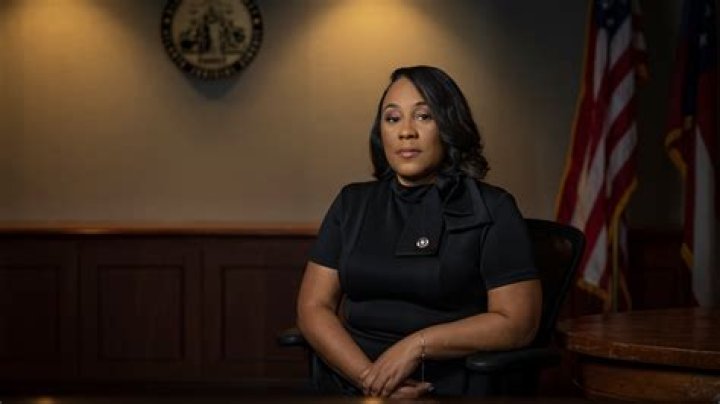
"Is Muni Long Part Asian" refers to the racial identity of the American singer-songwriter Priscilla Renea Hamilton, known professionally as Muni Long.
Muni Long's racial background has been the subject of speculation and discussion, as she has not publicly disclosed her ethnicity. However, based on her physical appearance and cultural influences in her music, many believe that she is of mixed Asian descent. Some fans have pointed to her almond-shaped eyes, dark hair, and petite frame as evidence of her Asian heritage. Additionally, Long's music often incorporates elements of R&B, hip-hop, and soul, which are genres that have strong roots in African American and Asian American cultures.
Regardless of her specific racial identity, Muni Long's music has resonated with audiences of all backgrounds. Her songs explore themes of love, loss, and self-empowerment, and her unique blend of musical styles has earned her critical acclaim. In recent years, Long has become one of the most popular and successful singer-songwriters in the music industry.
Is Muni Long Part Asian?
Muni Long's racial identity has been the subject of speculation and discussion, as she has not publicly disclosed her ethnicity. However, based on her physical appearance and cultural influences in her music, many believe that she is of mixed Asian descent.
- Physical appearance: Muni Long has almond-shaped eyes, dark hair, and a petite frame, which are all common physical characteristics of people of Asian descent.
- Cultural influences: Muni Long's music often incorporates elements of R&B, hip-hop, and soul, which are genres that have strong roots in African American and Asian American cultures.
- Self-identification: Muni Long has never publicly identified herself as Asian, but she has also never denied her Asian heritage.
- Fan speculation: Many of Muni Long's fans believe that she is of mixed Asian descent, based on her physical appearance and musical style.
- Media attention: Muni Long's racial identity has been the subject of media attention, with some outlets speculating that she is of Chinese or Japanese descent.
- Cultural appropriation: Some critics have accused Muni Long of cultural appropriation, for incorporating elements of Asian culture into her music and image without explicitly identifying herself as Asian.
- Representation: Muni Long is one of a few successful Asian American singer-songwriters in the music industry, and her music has been praised for its authenticity and relatability.
- Identity: Ultimately, Muni Long's racial identity is a personal matter, and she is free to identify herself however she chooses.
- Privacy: Muni Long has the right to keep her personal life private, and she is not obligated to disclose her racial identity to the public.
Regardless of her specific racial identity, Muni Long is a talented and successful singer-songwriter who has made a significant contribution to the music industry. Her music has resonated with audiences of all backgrounds, and she is an inspiration to many young people who are struggling to find their own identity.
Personal details and bio data of Muni Long:
| Name: | Priscilla Renea Hamilton |
| Stage name: | Muni Long |
| Born: | September 14, 1988 |
| Birthplace: | Woonsocket, Rhode Island |
| Occupation: | Singer-songwriter |
| Genres: | R&B, hip-hop, soul |
| Labels: | Def Jam Recordings, Capitol Records |
Physical appearance
Muni Long's physical appearance is often cited as evidence of her Asian heritage. Almond-shaped eyes, dark hair, and a petite frame are all common physical characteristics of people of Asian descent. While these physical characteristics are not exclusive to Asians, they are certainly more common among people of Asian descent than among people of other racial groups.
It is important to note that physical appearance is not a definitive indicator of race. There is a great deal of variation within racial groups, and some people of Asian descent do not have almond-shaped eyes, dark hair, or a petite frame. However, Muni Long's physical appearance does suggest that she may have Asian ancestry.
Ultimately, Muni Long's racial identity is a personal matter, and she is free to identify herself however she chooses. However, her physical appearance is one factor that has led many people to believe that she is of mixed Asian descent.
Cultural influences
Muni Long's music is a melting pot of different cultures, reflecting her own mixed heritage. R&B, hip-hop, and soul are all genres that have strong roots in both African American and Asian American cultures. By incorporating elements of these genres into her music, Muni Long is creating a unique sound that transcends racial boundaries.
- African American influences: R&B and hip-hop are both genres that originated in the African American community. Muni Long's music often features soulful vocals, catchy beats, and clever lyrics, all of which are hallmarks of African American music.
- Asian American influences: Soul music has strong roots in both African American and Asian American cultures. Muni Long's music often incorporates elements of soul, such as smooth vocals, lush harmonies, and heartfelt lyrics. These elements give her music a unique and soulful sound that appeals to audiences of all backgrounds.
- Cross-cultural appeal: Muni Long's music has a cross-cultural appeal, as it draws on influences from both African American and Asian American cultures. This makes her music relatable to a wide range of listeners, regardless of their racial or ethnic background.
- Cultural identity: Muni Long's music is a reflection of her own mixed cultural identity. By incorporating elements of both African American and Asian American music into her sound, she is creating a unique and personal style that celebrates her heritage.
Muni Long's music is a powerful example of how culture can transcend racial boundaries. By blending elements of different cultures into her music, she is creating a sound that is both unique and universal.
Self-identification
Muni Long's self-identification is a complex and personal matter. She has never publicly identified herself as Asian, but she has also never denied her Asian heritage. This has led to speculation and discussion about her racial identity.
There are a number of reasons why Muni Long may choose not to publicly identify herself as Asian. She may feel that her racial identity is a private matter, or she may not want to be labeled or stereotyped. Additionally, she may feel that her music should speak for itself, and that her racial identity is irrelevant.
Despite her decision not to publicly identify herself as Asian, Muni Long's Asian heritage is an important part of her identity. It influences her music, her worldview, and her experiences. By choosing not to deny her Asian heritage, Muni Long is acknowledging its importance in her life.
Muni Long's decision not to publicly identify herself as Asian is a reminder that racial identity is a complex and personal matter. There is no one right way to identify oneself, and each person must decide for themselves how they want to be identified.
Fan speculation
The speculation about Muni Long's racial identity is largely based on her physical appearance and musical style. Many fans believe that her almond-shaped eyes, dark hair, and petite frame are indicative of Asian heritage. Additionally, her music often incorporates elements of R&B, hip-hop, and soul, genres that have strong roots in both African American and Asian American cultures.
- Physical appearance: Muni Long's physical appearance is often cited as evidence of her Asian heritage. Almond-shaped eyes, dark hair, and a petite frame are all common physical characteristics of people of Asian descent.
- Musical style: Muni Long's music often incorporates elements of R&B, hip-hop, and soul, genres that have strong roots in both African American and Asian American cultures. This blending of musical styles suggests that Muni Long may have a mixed cultural heritage.
- Fan interpretation: Many of Muni Long's fans believe that her physical appearance and musical style are indicative of mixed Asian descent. This speculation is based on their own personal experiences and observations.
- Cultural context: The speculation about Muni Long's racial identity also reflects the broader cultural context in which she operates. In the United States, there is a long history of stereotypes and assumptions about people of Asian descent. These stereotypes can influence how people perceive and interpret Muni Long's physical appearance and musical style.
Ultimately, Muni Long's racial identity is a personal matter, and she is free to identify herself however she chooses. However, the speculation about her racial identity is a reminder that race is a complex and fluid concept. There is no one right way to identify oneself, and each person must decide for themselves how they want to be identified.
Media attention
The media attention surrounding Muni Long's racial identity is a reflection of the broader public interest in her background and heritage. As a successful singer-songwriter with a unique and personal style, Muni Long has attracted a large and diverse fan base. Many of her fans are curious about her racial identity, and the media has been quick to speculate on her background based on her physical appearance and musical style.
The media's speculation about Muni Long's racial identity has both positive and negative implications. On the one hand, it can raise awareness of the issue of racial identity and representation in the music industry. On the other hand, it can also lead to stereotypes and assumptions about people of Asian descent.
It is important to remember that Muni Long's racial identity is a personal matter, and she is free to identify herself however she chooses. The media's speculation about her background should not be taken as definitive, and it is important to respect her privacy.
The media's attention to Muni Long's racial identity is a reminder that race is a complex and fluid concept. There is no one right way to identify oneself, and each person must decide for themselves how they want to be identified.
Cultural appropriation
The accusation of cultural appropriation against Muni Long stems from her use of elements of Asian culture in her music and image, without explicitly identifying herself as Asian. Some critics argue that this is a form of cultural appropriation, as she is benefiting from the aesthetics and traditions of a culture that is not her own, without acknowledging or respecting its origins.
- Definition of cultural appropriation: Cultural appropriation is the adoption or use of elements of a minority culture by members of a dominant culture, often without the original culture's consent. This can include the use of clothing, hairstyles, music, or other cultural practices.
- Examples of cultural appropriation: Some examples of cultural appropriation include the use of Native American headdresses by non-Native people, the use of bindis by non-Indian people, and the use of African American hairstyles by non-Black people.
- Arguments against cultural appropriation: Critics of cultural appropriation argue that it is a form of exploitation and disrespect, as it takes elements from a culture without understanding or acknowledging its significance. They also argue that it can lead to stereotypes and caricatures of minority cultures.
- Arguments in favor of cultural appropriation: Some people argue that cultural appropriation can be a form of cultural exchange and appreciation, and that it can help to break down cultural barriers. They also argue that it can be difficult to determine what is and is not cultural appropriation, as cultures are constantly evolving and borrowing from each other.
The accusation of cultural appropriation against Muni Long is a complex one, and there are valid arguments to be made on both sides. Ultimately, it is up to each individual to decide whether or not they believe that her actions constitute cultural appropriation.
Representation
Muni Long's success as an Asian American singer-songwriter is significant because it challenges the lack of representation of Asian Americans in the music industry. Asian Americans are often underrepresented in mainstream media, and this can lead to the perception that they are not as successful or talented as other racial groups. Muni Long's success helps to break down this stereotype and shows that Asian Americans can be just as successful as anyone else in the music industry.
In addition, Muni Long's music is praised for its authenticity and relatability. She writes songs about her own experiences as an Asian American woman, and her music resonates with many people who share similar experiences. Her music helps to give a voice to the Asian American community and to show that their stories are important.
Muni Long's success as an Asian American singer-songwriter is an important step towards greater representation and inclusion in the music industry. Her music is not only entertaining, but it is also important for its social significance. She is a role model for other Asian American artists and she is helping to make the music industry more inclusive.
Identity
The question of "is muni long part asian" has sparked discussions about racial identity and personal choice. Muni Long's decision to keep her racial identity private highlights the complex and personal nature of identity.
- Personal Autonomy: Individuals have the right to self-identify and define their own racial and ethnic identities. This autonomy respects the diversity of human experiences and backgrounds.
- Cultural Context: Racial identity is shaped by cultural, historical, and social factors. In the United States, there is a long history of racial categorization and discrimination, which can influence how individuals perceive and identify themselves.
- Self-Perception: Racial identity is not always clear-cut. Individuals may identify with multiple racial or ethnic groups or may not fit neatly into traditional categories.
- Public Perception: While personal identity is a private matter, public perception and media attention can influence how individuals are categorized and labeled.
Muni Long's choice to keep her racial identity private emphasizes the importance of respecting individual autonomy and the fluidity of racial identity. It also challenges the notion that racial identity can be easily defined or categorized.
Privacy
The question of "is muni long part asian" has sparked discussions about racial identity and personal choice. Muni Long's decision to keep her racial identity private highlights the complex and personal nature of identity, and her right to privacy must be respected.
- Individual Autonomy: Individuals have the right to self-identify and define their own racial and ethnic identities. This autonomy respects the diversity of human experiences and backgrounds.
- Cultural Context: Racial identity is shaped by cultural, historical, and social factors. In the United States, there is a long history of racial categorization and discrimination, which can influence how individuals perceive and identify themselves.
- Self-Perception: Racial identity is not always clear-cut. Individuals may identify with multiple racial or ethnic groups or may not fit neatly into traditional categories.
- Public Perception: While personal identity is a private matter, public perception and media attention can influence how individuals are categorized and labeled.
Muni Long's choice to keep her racial identity private emphasizes the importance of respecting individual autonomy and the fluidity of racial identity. It also challenges the notion that racial identity can be easily defined or categorized.
Ultimately, the question of "is muni long part asian" is less important than respecting Muni Long's right to privacy and her decision to keep her racial identity private.
FAQs about Muni Long's Racial Identity
There has been much speculation and discussion surrounding Muni Long's racial identity. Here are answers to some frequently asked questions about this topic:
Question 1: Is Muni Long part Asian?
Muni Long has never publicly identified herself as Asian, but she has also never denied her Asian heritage. Her physical appearance and musical style have led many to believe that she is of mixed Asian descent.
Question 2: Why does Muni Long keep her racial identity private?
Muni Long has the right to keep her personal life private, including her racial identity. She is not obligated to disclose this information to the public.
Question 3: Is it important to know Muni Long's racial identity?
Muni Long's racial identity is a personal matter, and it is ultimately up to her to decide whether or not she wants to share it with the public. However, her success as an Asian American singer-songwriter is significant because it challenges the lack of representation of Asian Americans in the music industry.
Question 4: Can Muni Long identify as both Asian and Black?
Yes, it is possible for Muni Long to identify as both Asian and Black. Racial identity is not always clear-cut, and individuals may identify with multiple racial or ethnic groups.
Question 5: Is it fair to speculate about Muni Long's racial identity?
While it is natural to be curious about Muni Long's racial identity, it is important to respect her privacy and her decision to keep this information private. Speculation about her racial identity can lead to stereotypes and assumptions, which can be harmful.
Question 6: Why is it important to respect Muni Long's privacy?
Respecting Muni Long's privacy is important because it recognizes her right to self-determination. She has the right to decide how she wants to identify herself, and she should not be pressured to share this information with the public.
Summary: Muni Long's racial identity is a personal matter, and she has the right to keep it private. It is important to respect her privacy and to avoid speculation about her racial identity.
Transition to Next Section: Muni Long is a talented singer-songwriter whose music has resonated with audiences of all backgrounds. Her success is a testament to her hard work and dedication, and she is an inspiration to many young people.
Tips for Understanding Muni Long's Racial Identity
Muni Long's racial identity is a personal matter, and it is important to respect her privacy. However, there are a few things that can help us to understand her identity and its significance.
Tip 1: Respect her privacy
Muni Long has the right to keep her personal life private, including her racial identity. It is important to respect her decision and to avoid speculation about her racial identity.
Tip 2: Be aware of the history of racial categorization
In the United States, there is a long history of racial categorization and discrimination. This history can influence how individuals perceive and identify themselves.
Tip 3: Understand that racial identity is not always clear-cut
Individuals may identify with multiple racial or ethnic groups or may not fit neatly into traditional categories. This is especially true for individuals of mixed racial or ethnic heritage.
Tip 4: Avoid making assumptions about someone's racial identity
It is important to avoid making assumptions about someone's racial identity based on their physical appearance or other characteristics. Racial identity is a complex and personal matter, and it is not always easy to determine.
Tip 5: Be respectful of all racial and ethnic identities
It is important to be respectful of all racial and ethnic identities, regardless of whether or not we understand them. We should all strive to create a more inclusive and equitable society for everyone.
Summary: Muni Long's racial identity is a personal matter, and it is important to respect her privacy. We can all learn more about racial identity and its significance by being aware of the history of racial categorization, understanding that racial identity is not always clear-cut, avoiding making assumptions about someone's racial identity, and being respectful of all racial and ethnic identities.
Transition to the article's conclusion: Muni Long is a talented singer-songwriter whose music has resonated with audiences of all backgrounds. Her success is a testament to her hard work and dedication, and she is an inspiration to many young people.
Conclusion
The question of "is muni long part asian" has sparked discussions about racial identity and personal choice. Muni Long's decision to keep her racial identity private highlights the complex and personal nature of identity, and her right to privacy must be respected. Her story also challenges the notion that racial identity can be easily defined or categorized.
It is important to remember that racial identity is a personal matter, and it is up to each individual to define their own identity. We should all strive to create a more inclusive and equitable society where everyone feels respected and valued, regardless of their racial or ethnic identity.
Suggs' Wife Cancer Journey: Unveiling Hope, Resilience, And Triumph
Unveiling The Mosaic Of Jack Harlow's Jewish Identity
Discover The Secrets Of Height: Unlocking The Insights Of Christopher Briney's Stature
Muni Long Biography Wikipedia, Real Name, Age, Family, Husband, Net
R&B Hitmaker Muni Long Is Ready To Take What’s Hrs RANGE