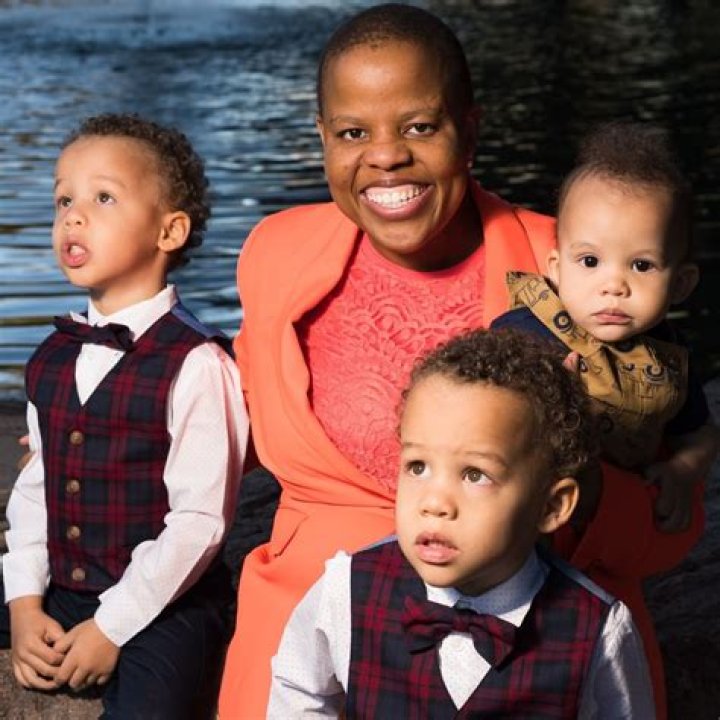
Expressing gratitude for the act of providing care and support is a significant aspect of human interaction. The phrase "thank you for taking care of me" holds immense emotional weight, conveying appreciation and acknowledgment for the efforts and compassion extended by caregivers.
Gratitude not only strengthens the bond between individuals but also has a positive impact on well-being. Research suggests that expressing thankfulness can enhance happiness, reduce stress, and promote overall health. In the context of caregiving, gratitude fosters a sense of value and purpose for caregivers, motivating them to continue providing compassionate support.
Recognizing and expressing gratitude for caregiving extends beyond personal relationships. In professional healthcare settings, patient gratitude can significantly impact staff morale and job satisfaction. It serves as a powerful reminder of the meaningful impact healthcare providers have on the lives of those they care for.
thank you taking care of me
Expressing gratitude to those who provide care encompasses multiple dimensions. Here are nine key aspects that capture the essence of "thank you for taking care of me":
- Appreciation: Acknowledging the effort, time, and compassion extended by caregivers.
- Recognition: Valuing the role and contribution of caregivers in our lives.
- Respect: Honoring the dignity and worth of both the caregiver and the recipient of care.
- Bonding: Gratitude strengthens the connection between caregivers and those they care for.
- Well-being: Expressing thanks can positively impact the mental and emotional health of both parties.
- Motivation: Gratitude encourages caregivers to continue providing compassionate support.
- Reciprocity: Thanking caregivers is a way of reciprocating the kindness and support they offer.
- Meaning: Gratitude infuses caregiving with a sense of purpose and meaning.
- Legacy: Expressing gratitude creates a lasting legacy of appreciation and respect.
These interconnected aspects highlight the multifaceted nature of gratitude in caregiving. Appreciation, recognition, and respect form the foundation of a strong and meaningful caregiving relationship. Gratitude promotes well-being, strengthens bonds, and motivates caregivers to continue providing compassionate support. Ultimately, expressing "thank you for taking care of me" is not just an act of courtesy, but a profound acknowledgment of the invaluable contribution caregivers make to our lives.
Appreciation
Appreciation is a fundamental component of expressing gratitude for the act of caregiving. It involves recognizing the effort, time, and compassion that caregivers extend to those in their care. Appreciation serves as the foundation upon which a strong and meaningful caregiving relationship is built.
Caregivers provide invaluable support to individuals who may be facing physical, emotional, or cognitive challenges. They dedicate their time and energy to ensuring the well-being of those in their care, often sacrificing their own needs in the process. Acknowledging the effort and time that caregivers invest in their role is essential for fostering a sense of value and respect.
Compassion is another crucial aspect of caregiving. Caregivers provide emotional support, understanding, and empathy to those in their care. They go above and beyond to create a safe and nurturing environment, providing comfort and reassurance during difficult times. Recognizing and appreciating the compassion that caregivers extend is vital for maintaining their motivation and well-being.
Expressing appreciation to caregivers can take many forms, both verbal and nonverbal. Verbal expressions of gratitude can include simply saying "thank you" or providing specific compliments for their efforts. Nonverbal expressions of appreciation can include gestures such as a smile, a hug, or a small gift. Regardless of the form it takes, expressing appreciation to caregivers is essential for building a strong and supportive caregiving relationship.
Recognition
Recognition is an essential component of expressing gratitude for the act of caregiving. It involves valuing the role and contribution that caregivers make in the lives of those they care for. Recognition serves as a powerful motivator for caregivers, encouraging them to continue providing compassionate support.
Caregivers play a vital role in society, providing support to individuals who may be facing physical, emotional, or cognitive challenges. They dedicate their time and energy to ensuring the well-being of those in their care, often sacrificing their own needs in the process. Recognizing the valuable role that caregivers play is essential for fostering a sense of appreciation and respect.
Expressing recognition to caregivers can take many forms, both verbal and nonverbal. Verbal expressions of recognition can include acknowledging the caregiver's skills, knowledge, and experience. Nonverbal expressions of recognition can include gestures such as a smile, a hug, or a small gift. Regardless of the form it takes, expressing recognition to caregivers is essential for building a strong and supportive caregiving relationship.
When caregivers feel recognized and valued, they are more likely to be motivated to continue providing compassionate care. Recognition can also help to reduce caregiver burnout and turnover, ensuring that individuals who need care have access to the support they need.
Recognizing the role and contribution of caregivers in our lives is essential for creating a society that values and supports caregiving. It is a simple but powerful way to show our appreciation for the invaluable work that caregivers do.
Respect
Respect is a fundamental component of "thank you for taking care of me." It involves honoring the dignity and worth of both the caregiver and the recipient of care. Respect serves as the foundation for a strong and mutually beneficial caregiving relationship.
Caregivers provide invaluable support to individuals who may be facing physical, emotional, or cognitive challenges. They dedicate their time and energy to ensuring the well-being of those in their care, often sacrificing their own needs in the process. Respecting caregivers means recognizing the value of their work and treating them with dignity and compassion.
Respect for the recipient of care is equally important. It involves recognizing their inherent worth and value as a human being. Respecting the recipient of care means treating them with dignity, empathy, and autonomy. It also means respecting their choices and decisions, even when we do not agree with them.
When caregivers and recipients of care feel respected, they are more likely to experience positive outcomes. Caregivers are more likely to be motivated to provide compassionate care, and recipients of care are more likely to feel valued and empowered.
There are many ways to show respect in a caregiving relationship. Some simple but effective ways include:
- Listening to and valuing the opinions of both the caregiver and the recipient of care.
- Communicating in a respectful and empathetic manner.
- Providing privacy and confidentiality.
- Respecting the boundaries of both the caregiver and the recipient of care.
By showing respect in a caregiving relationship, we can create a strong and mutually beneficial foundation that supports the well-being of both the caregiver and the recipient of care.
Bonding
Gratitude plays a crucial role in forging a strong and meaningful bond between caregivers and those they care for. Expressing appreciation fosters a sense of connection, strengthens trust, and promotes positive interactions.
- Emotional Bridge: Gratitude creates an emotional bridge between caregivers and recipients of care. When gratitude is expressed, it conveys a sense of value and appreciation, which can deepen the connection and make both parties feel supported and respected. This emotional bridge enhances the overall caregiving experience, making it more fulfilling and rewarding for both individuals.
- Trust and Reliability: Expressing gratitude helps build trust and reliability in the caregiving relationship. When caregivers feel appreciated, they are more likely to be committed to providing high-quality care. In turn, recipients of care who feel valued and respected are more likely to trust and rely on their caregivers.
- Positive Interactions: Gratitude promotes positive interactions between caregivers and recipients of care. When gratitude is expressed, it creates a positive and supportive atmosphere. This can lead to more open and honest communication, which can improve the overall caregiving experience for both parties.
The expression of gratitude in caregiving relationships is not limited to verbal expressions of "thank you." It can also be conveyed through non-verbal cues, such as a smile, a hug, or a small gift. Regardless of how it is expressed, gratitude has a powerful impact on the caregiver-recipient relationship, strengthening the bond and creating a positive and supportive environment for care.
Well-being
Expressing gratitude is an essential component of "thank you for taking care of me" because it positively impacts the mental and emotional well-being of both the caregiver and the recipient of care. Gratitude has been shown to:
- Reduce stress and anxiety: When we express gratitude, our brains release oxytocin, a hormone that has calming and stress-reducing effects.
- Improve sleep: Gratitude can help us fall asleep more easily and improve the quality of our sleep.
- Boost mood: Expressing gratitude can help improve our mood and make us feel happier.
- Increase self-esteem: When we express gratitude to others, it can help us feel good about ourselves and our relationships.
In the context of caregiving, expressing gratitude can have a particularly significant impact on well-being. Caregivers often experience high levels of stress, anxiety, and burnout. Expressing gratitude can help caregivers to manage these challenges and improve their overall well-being. Additionally, expressing gratitude can help recipients of care feel more valued and appreciated, which can boost their mood and self-esteem.
There are many ways to express gratitude in a caregiving relationship. Some simple but effective ways include:
- Saying "thank you" often and sincerely.
- Writing thank-you notes or cards.
- Giving small gifts or tokens of appreciation.
- Spending quality time together.
- Offering words of encouragement and support.
By expressing gratitude in a caregiving relationship, we can positively impact the mental and emotional well-being of both the caregiver and the recipient of care. This can lead to a more fulfilling and rewarding experience for both parties.
Motivation
Gratitude plays a crucial role in motivating caregivers to continue providing compassionate support. Expressing appreciation for the efforts and dedication of caregivers creates a positive feedback loop that fosters their commitment to providing high-quality care.
- Recognition of Value: Expressing gratitude acknowledges the valuable role that caregivers play in the lives of those they care for. This recognition boosts their morale and motivation, as it demonstrates that their efforts are appreciated and make a meaningful difference.
- Increased Job Satisfaction: Gratitude enhances caregivers' job satisfaction, leading them to find greater fulfillment in their work. When caregivers feel valued and supported, they are more likely to experience positive emotions and derive meaning from their role, which motivates them to continue providing compassionate care.
- Reduced Burnout: Gratitude can help reduce burnout among caregivers. The emotional support and appreciation they receive can mitigate the stressors and challenges associated with caregiving, allowing them to maintain their resilience and compassion over the long term.
- Strengthened Relationships: Gratitude strengthens the relationship between caregivers and those they care for. Expressing appreciation fosters a sense of connection and trust, which motivates caregivers to go the extra mile and provide personalized and empathetic care.
In summary, gratitude is a powerful motivator for caregivers, encouraging them to continue providing compassionate support. By expressing appreciation for their efforts, we can foster their commitment to caregiving, enhance their well-being, and ultimately improve the quality of care for those who need it most.
Reciprocity
Expressing gratitude to caregivers through the phrase "thank you for taking care of me" not only acknowledges their efforts but also fulfills a sense of reciprocity in the caregiving relationship. This reciprocity is rooted in several facets:
- Social Norm: Expressing gratitude is a fundamental social norm that governs interactions between individuals. In the context of caregiving, thanking caregivers is a way of acknowledging and reciprocating the kindness and support they provide.
- Emotional Exchange: Caregiving involves a significant emotional exchange between the caregiver and the recipient of care. Expressing gratitude allows the recipient to convey their appreciation and positive feelings towards the caregiver, fostering a sense of emotional connection and balance.
- Recognition of Effort: Thanking caregivers is a way of recognizing the time, effort, and dedication they invest in providing care. It demonstrates an understanding of the challenges and sacrifices involved in caregiving, validating the caregiver's role and contributions.
- Strengthening the Bond: Reciprocal expressions of gratitude can strengthen the bond between the caregiver and the recipient of care. It creates a positive feedback loop where appreciation and support are exchanged, fostering a mutually beneficial and emotionally supportive relationship.
By expressing gratitude through "thank you for taking care of me," we not only acknowledge the valuable role of caregivers but also fulfill our social and emotional obligations of reciprocity. This expression of appreciation contributes to the overall well-being of both the caregiver and the recipient of care, fostering a positive and supportive caregiving relationship.
Meaning
The phrase "thank you for taking care of me" holds profound significance in acknowledging the profound impact that gratitude has on the experience of caregiving. Gratitude infuses caregiving with a sense of purpose and meaning, enriching the lives of both the caregiver and the recipient of care.
- Fulfillment and Purpose: Expressing gratitude validates the caregiver's role and contributions, fostering a sense of fulfillment and purpose. It recognizes the inherent value of caregiving, reminding both parties of the positive impact they have on each other's lives.
- Emotional Connection: Gratitude creates an emotional bridge between the caregiver and the recipient of care, strengthening their bond and fostering a sense of mutual respect and understanding. It acknowledges the emotional labor involved in caregiving, recognizing the caregiver's compassion and dedication.
- Appreciation of Life: Gratitude in caregiving encourages a deeper appreciation for the preciousness of life, both for the caregiver and the recipient of care. It helps both parties focus on the present moment and find joy in the small moments shared together.
- Legacy of Care: Expressing gratitude contributes to a lasting legacy of care and compassion. It sets an example for future generations, demonstrating the importance of valuing and supporting those who provide care to others.
By embracing gratitude in caregiving relationships, we elevate the experience from a mere act of service to a meaningful and fulfilling journey. The simple phrase "thank you for taking care of me" encapsulates the transformative power of gratitude, fostering a sense of purpose, connection, and appreciation that enriches the lives of all involved.
Legacy
The heartfelt expression of "thank you for taking care of me" extends beyond immediate acknowledgment; it serves as a cornerstone in building a lasting legacy of appreciation and respect. Gratitude weaves an intricate tapestry of human connection, leaving an indelible mark on the lives it touches.
In the realm of caregiving, expressing gratitude is not merely a polite gesture but a profound act that shapes the experience of both the caregiver and the recipient. When caregivers receive heartfelt expressions of appreciation, they feel valued and recognized for their tireless efforts. This acknowledgment fosters a sense of purpose and fulfillment, propelling them to continue providing compassionate care with unwavering dedication.
The legacy of gratitude extends beyond the immediate caregiving relationship. It ripples outward, inspiring others to embrace gratitude as a guiding principle in their own lives. By witnessing the transformative power of gratitude, individuals are encouraged to cultivate a mindset of appreciation, recognizing the value of those who provide care and support within their communities.
Moreover, expressing gratitude contributes to a broader cultural narrative that values and respects caregivers. In a society that often overlooks the immense contributions of caregivers, heartfelt expressions of appreciation challenge this societal norm. They elevate the status of caregiving, bringing it to the forefront of public discourse and encouraging a collective responsibility to support those who dedicate their lives to caring for others.
In conclusion, the phrase "thank you for taking care of me" holds immense significance in shaping a lasting legacy of appreciation and respect. It acknowledges the invaluable contributions of caregivers, fosters a culture of gratitude, and inspires a ripple effect that transforms the lives of individuals and communities alike.
Frequently Asked Questions about "Thank You for Taking Care of Me"
This section addresses commonly asked questions and misconceptions surrounding the phrase "thank you for taking care of me" to provide a comprehensive understanding of its significance.
Question 1: Why is it important to express gratitude to caregivers?
Expressing gratitude to caregivers acknowledges the invaluable role they play in supporting the well-being of others. Caregivers provide essential physical, emotional, and social support, often sacrificing their own needs in the process. Recognizing and appreciating their efforts fosters a positive and supportive caregiving relationship.
Question 2: How can expressing gratitude benefit caregivers?
Expressing gratitude can positively impact the mental and emotional well-being of caregivers. It reduces stress, improves sleep, boosts mood, and increases self-esteem. Gratitude also enhances job satisfaction and reduces the risk of burnout, enabling caregivers to continue providing compassionate care.
Question 3: What are different ways to express gratitude to caregivers?
There are numerous ways to express gratitude to caregivers. Verbal expressions such as "thank you" and written notes of appreciation are simple yet meaningful gestures. Other thoughtful actions include offering practical help, providing respite care, or simply spending quality time with the caregiver.
Question 4: Is it appropriate to express gratitude to professional caregivers?
Absolutely. Professional caregivers deserve recognition and appreciation for their dedication and expertise. Expressing gratitude to them not only acknowledges their hard work but also contributes to their job satisfaction and motivation.
Question 5: How can I express gratitude to caregivers in a meaningful way?
To express gratitude meaningfully, consider personalizing your message. Share specific examples of how the caregiver's efforts have made a positive impact. Be genuine, heartfelt, and specific in your expressions of appreciation.
Question 6: What are some tips for caregivers to receive gratitude gracefully?
Caregivers should allow themselves to receive gratitude with grace and humility. Remember that expressions of appreciation are a reflection of the positive impact they have on others. Accepting gratitude can foster a sense of fulfillment and reinforce the importance of their role.
In conclusion, expressing gratitude to caregivers is essential for acknowledging their invaluable contributions, fostering positive caregiving relationships, and supporting their well-being. By understanding the significance of gratitude and implementing thoughtful ways to express it, we can create a culture of appreciation and respect for those who dedicate their lives to caring for others.
Transition to the next article section:
The profound impact of gratitude in caregiving extends beyond personal interactions. At a societal level, expressing gratitude can shape cultural norms, influence policy decisions, and inspire collective action to support caregivers and promote their well-being.
Tips for Expressing Gratitude to Caregivers
Demonstrating gratitude towards caregivers is crucial for acknowledging their invaluable contributions and fostering positive caregiving relationships. Here are several tips to effectively convey your appreciation:
Tip 1: Be Specific and Sincere
When expressing gratitude, avoid generic phrases. Instead, take the time to acknowledge specific actions or qualities that you appreciate. For instance, you could say, "Thank you for your patience and understanding during a difficult time."
Tip 2: Personalize Your Message
Caregivers often form deep connections with those they care for. Personalize your message by sharing a story or anecdote that highlights the positive impact the caregiver has had on your life. This will make your gratitude more meaningful and memorable.
Tip 3: Offer Practical Help
In addition to verbal expressions of gratitude, offer practical support to caregivers. This could involve running errands, providing respite care, or simply offering a listening ear. Practical help demonstrates your appreciation and reduces the burden on caregivers.
Tip 4: Respect Boundaries
While it's important to express gratitude, respect the boundaries of caregivers. Avoid overwhelming them with excessive praise or demands. Be mindful of their time and energy, and express your appreciation in a way that is comfortable for them.
Tip 5: Encourage Others to Show Gratitude
Spread the culture of gratitude by encouraging others to express their appreciation for caregivers. Share your positive experiences with family, friends, and the community. By raising awareness, you can help create a more supportive environment for caregivers.
Summary
Expressing gratitude to caregivers is a powerful way to acknowledge their dedication, boost their morale, and strengthen caregiving relationships. By following these tips, you can convey your appreciation sincerely, meaningfully, and respectfully. Remember that gratitude is a gift that benefits both the giver and the receiver, fostering a positive and supportive environment for all involved.
Transition
The importance of expressing gratitude to caregivers cannot be overstated. By incorporating these tips into your interactions with caregivers, you can create a culture of appreciation and respect that ultimately benefits everyone involved in the caregiving journey.
Conclusion
The phrase "thank you for taking care of me" carries immense weight, encapsulating gratitude, recognition, and respect for the invaluable contributions of caregivers. Throughout this exploration, we have uncovered the multifaceted nature of gratitude in caregiving, examining its profound impact on both the caregiver and the recipient of care.
Expressing gratitude fosters a positive and supportive caregiving relationship, enhancing well-being, strengthening bonds, and motivating caregivers to continue providing compassionate support. By acknowledging the effort, time, and compassion extended by caregivers, we recognize their essential role in our lives.
As we move forward, let us embrace a culture of gratitude towards caregivers. Let us make a conscious effort to express our appreciation in meaningful ways, valuing their dedication and ensuring their well-being. By doing so, we not only honor the individuals who provide care but also create a more just and compassionate society for all.