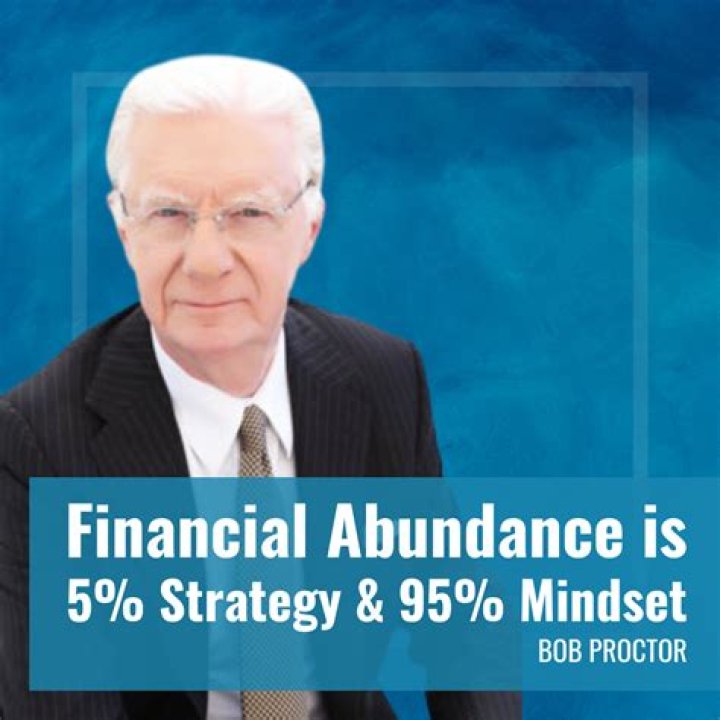
Wendy Graham is a behavioral scientist and the author of the book "Emotional Intelligence: Why It Can Matter More Than IQ." She is known for her work on emotional intelligence, which is the ability to understand and manage one's emotions and the emotions of others. Emotional intelligence is important for success in all areas of life, from personal relationships to professional careers.
Graham's research has shown that emotional intelligence can be learned and improved. She has developed a number of programs to help people develop their emotional intelligence skills. These programs have been shown to be effective in improving emotional intelligence and increasing success in both personal and professional life.
Graham's work on emotional intelligence has had a major impact on the field of psychology and has helped to raise awareness of the importance of emotional intelligence for success in life.
Wendy Graham
Wendy Graham is a behavioral scientist and author known for her work on emotional intelligence. Here are 9 key aspects of her work:
- Emotional intelligence
- Emotional regulation
- Empathy
- Social skills
- Leadership
- Motivation
- Stress management
- Conflict resolution
- Decision-making
Graham's research has shown that emotional intelligence can be learned and improved. She has developed a number of programs to help people develop their emotional intelligence skills. These programs have been shown to be effective in improving emotional intelligence and increasing success in both personal and professional life.
Emotional intelligence is a key factor in success in all areas of life. People with high emotional intelligence are better able to understand and manage their own emotions and the emotions of others. They are also better able to build and maintain relationships, resolve conflict, and make good decisions.
Graham's work on emotional intelligence has helped to raise awareness of the importance of this skill for success in life. Her research and programs have helped countless people to develop their emotional intelligence skills and improve their lives.
Emotional intelligence
Emotional intelligence (EI) is the ability to understand, use, and manage your own emotions in positive ways to relieve stress, communicate effectively, empathize with others, overcome challenges, and defuse conflict. It also involves the ability to understand and respond to the emotions of others.
Wendy Graham is a behavioral scientist and author known for her work on emotional intelligence. Her research has shown that EI can be learned and improved, and she has developed a number of programs to help people develop their EI skills.
EI is an important component of Wendy Graham's work because it is essential for success in all areas of life. People with high EI are better able to manage their emotions and build healthy relationships. They are also more effective at communicating, resolving conflict, and making decisions.
Here are some examples of how EI is important in Wendy Graham's work:
- EI helps people to understand and manage their own emotions, which is essential for success in any field.
- EI helps people to build and maintain healthy relationships, which is important for both personal and professional success.
- EI helps people to communicate effectively, which is essential for success in any job.
- EI helps people to resolve conflict, which is important for both personal and professional success.
- EI helps people to make good decisions, which is essential for success in any field.
Overall, EI is a key component of Wendy Graham's work because it is essential for success in all areas of life. Her research and programs have helped countless people to develop their EI skills and improve their lives.
Emotional regulation
Emotional regulation is the ability to understand, manage, and respond to your emotions in a healthy way. It involves being able to identify your emotions, understand why you're feeling them, and express them in a way that is appropriate to the situation. Emotional regulation is an important life skill that can help you succeed in all areas of your life.
- Identifying your emotions
The first step to emotional regulation is being able to identify your emotions. This can be difficult, especially if you're not used to paying attention to your feelings. However, it's important to be able to identify your emotions in order to manage them effectively.
- Understanding why you're feeling your emotions
Once you've identified your emotions, it's important to try to understand why you're feeling them. This can help you to develop coping mechanisms for dealing with your emotions in a healthy way.
- Expressing your emotions in a healthy way
Once you understand why you're feeling your emotions, you need to be able to express them in a healthy way. This means expressing your emotions in a way that is appropriate to the situation and that doesn't harm yourself or others.
- Managing your emotions
Finally, you need to be able to manage your emotions. This means being able to control your emotions so that they don't control you. It also means being able to cope with difficult emotions in a healthy way.
Emotional regulation is a complex skill, but it's one that can be learned and improved. By practicing the tips above, you can develop your emotional regulation skills and improve your overall well-being.
Empathy
Empathy is the ability to understand and share the feelings of another person. It is a key component of emotional intelligence, and it is essential for success in all areas of life. People with high empathy are better able to build and maintain relationships, resolve conflict, and make good decisions.
Wendy Graham is a behavioral scientist and author known for her work on emotional intelligence. Her research has shown that empathy can be learned and improved, and she has developed a number of programs to help people develop their empathy skills.
One of the most important things that Graham has found in her research is that empathy is not just about feeling sorry for someone else. It is also about understanding their perspective and trying to see the world from their point of view. This is a difficult skill to develop, but it is essential for building strong relationships and resolving conflict.
Graham's work on empathy has had a major impact on the field of psychology and has helped to raise awareness of the importance of this skill for success in life. Her research and programs have helped countless people to develop their empathy skills and improve their lives.
Here are some examples of how empathy is important in Wendy Graham's work:
- Empathy helps people to understand and connect with others, which is essential for building and maintaining healthy relationships.
- Empathy helps people to resolve conflict, as it allows them to see the other person's point of view and understand their feelings.
- Empathy helps people to make good decisions, as it allows them to consider the impact of their decisions on others.
Overall, empathy is a key component of Wendy Graham's work because it is essential for success in all areas of life. Her research and programs have helped countless people to develop their empathy skills and improve their lives.
Social skills
Social skills are the abilities needed to interact effectively with others, including communication, cooperation, and empathy. They are essential for success in all areas of life, from personal relationships to professional careers.
Wendy Graham is a behavioral scientist and author known for her work on emotional intelligence, which includes social skills. Her research has shown that social skills can be learned and improved, and she has developed a number of programs to help people develop these skills.
One of the most important aspects of social skills is communication. This includes both verbal and nonverbal communication, and it is essential for building and maintaining relationships. People with good communication skills are able to express their thoughts and feelings clearly and effectively, and they are also able to listen to and understand others.
Another important aspect of social skills is cooperation. This is the ability to work together with others to achieve a common goal. People with good cooperation skills are able to share ideas, compromise, and resolve conflict. They are also able to build and maintain strong relationships with others.
Empathy is another important aspect of social skills. This is the ability to understand and share the feelings of others. People with empathy are able to see the world from other people's perspectives, and they are able to respond to their needs in a compassionate and supportive way.
Social skills are essential for success in all areas of life. People with good social skills are able to build and maintain strong relationships, resolve conflict, and achieve their goals. Wendy Graham's work on social skills has helped to raise awareness of the importance of these skills, and her programs have helped countless people to develop their social skills and improve their lives.
Leadership
Leadership is the ability to influence and guide others towards a common goal. It is a complex skill that requires a combination of emotional intelligence, social skills, and technical expertise. Wendy Graham is a behavioral scientist and author known for her work on emotional intelligence. Her research has shown that emotional intelligence is essential for effective leadership.
Leaders with high emotional intelligence are able to understand and manage their own emotions, as well as the emotions of others. They are able to build and maintain strong relationships, resolve conflict, and make good decisions. These skills are essential for creating a positive and productive work environment.
Graham's research has also shown that emotional intelligence can be learned and improved. She has developed a number of programs to help people develop their emotional intelligence skills. These programs have been shown to be effective in improving leadership skills and overall job performance.
In addition to emotional intelligence, social skills are also essential for effective leadership. Leaders need to be able to communicate effectively, build relationships, and work cooperatively with others. Graham's work on social skills has helped to develop training programs that can help leaders improve their social skills.
Overall, Wendy Graham's work on emotional intelligence and social skills has had a major impact on the field of leadership. Her research and programs have helped countless leaders to develop their skills and improve their performance.
Motivation
Motivation is the driving force that compels individuals to act and achieve their goals. Wendy Graham, a behavioral scientist and author known for her work on emotional intelligence, has extensively studied the role of motivation in human behavior.
Graham's research has shown that motivation is a complex process influenced by both internal and external factors. Internal factors include an individual's needs, values, and beliefs, while external factors include environmental cues, rewards, and punishments.
Graham's work on motivation has had a major impact on the field of psychology and has helped to raise awareness of the importance of motivation for success in all areas of life. Her research and programs have helped countless people to develop their motivation skills and improve their lives.
Here are some examples of how motivation is important in Wendy Graham's work:
- Motivation helps people to set and achieve goals. People with high motivation are more likely to set challenging goals and work hard to achieve them.
- Motivation helps people to overcome obstacles. People with high motivation are more likely to persist in the face of setbacks and challenges.
- Motivation helps people to stay focused and productive. People with high motivation are more likely to stay focused on their tasks and work productively.
Overall, motivation is a key component of Wendy Graham's work because it is essential for success in all areas of life. Her research and programs have helped countless people to develop their motivation skills and improve their lives.
Stress management
Stress management is an essential aspect of Wendy Graham's work on emotional intelligence. Stress can have a negative impact on our physical and mental health, and it can interfere with our ability to function effectively in all areas of our lives. Graham's research has shown that emotional intelligence can help us to manage stress more effectively, and she has developed a number of programs to help people develop their emotional intelligence skills.
- Identifying stressors
The first step to managing stress is to identify the stressors in your life. These can be anything from work deadlines to relationship problems to financial worries. Once you know what your stressors are, you can start to develop strategies for dealing with them.
- Developing coping mechanisms
Once you have identified your stressors, you need to develop coping mechanisms for dealing with them. This could involve learning relaxation techniques, such as deep breathing or meditation, or it could involve developing problem-solving skills to help you deal with difficult situations.
- Building resilience
Resilience is the ability to bounce back from adversity. People with high resilience are better able to cope with stress and difficult life events. There are a number of things you can do to build your resilience, such as developing a positive attitude, setting realistic goals, and surrounding yourself with supportive people.
- Seeking professional help
If you are struggling to manage stress on your own, it is important to seek professional help. A therapist can help you to identify the root of your stress and develop effective coping mechanisms.
Stress management is an important part of emotional intelligence, and it is essential for overall well-being. Wendy Graham's work on emotional intelligence has helped to raise awareness of the importance of stress management, and her programs have helped countless people to develop their stress management skills and improve their lives.
Conflict resolution
Conflict resolution is a crucial aspect of Wendy Graham's work on emotional intelligence. Conflict is a natural part of life, and it can occur in any setting, from the workplace to personal relationships. When conflict is not managed effectively, it can lead to negative consequences, such as decreased productivity, damaged relationships, and increased stress.
- Communication
Effective communication is essential for conflict resolution. When people are able to communicate their needs and concerns clearly and respectfully, it is more likely that they will be able to find a solution that meets everyone's needs.
- Empathy
Empathy is the ability to understand and share the feelings of others. When people are able to empathize with each other, they are more likely to be able to see the conflict from multiple perspectives and find a solution that is fair to everyone.
- Active listening
Active listening is the ability to listen to others without interrupting or judging them. When people are able to actively listen to each other, they are more likely to be able to understand each other's needs and concerns.
- Problem-solving skills
Problem-solving skills are essential for conflict resolution. When people are able to identify the root of the conflict and develop creative solutions, they are more likely to be able to find a solution that works for everyone.
Conflict resolution is a complex skill, but it is one that can be learned and improved. Wendy Graham's work on emotional intelligence has helped to raise awareness of the importance of conflict resolution, and her programs have helped countless people to develop their conflict resolution skills and improve their lives.
Decision-making
Decision-making is a vital component of Wendy Graham's work on emotional intelligence. It is the ability to make sound judgments and choices, taking into account both our own needs and the needs of others. Effective decision-making requires a combination of emotional intelligence and critical thinking skills.
People with high emotional intelligence are better able to understand their own emotions and the emotions of others. This allows them to make decisions that are not driven by impulse or emotion, but rather by a rational and logical thought process. They are also able to consider the impact of their decisions on others, and to make choices that are fair and considerate.
Critical thinking skills are also essential for effective decision-making. These skills include the ability to analyze information, identify problems, and develop creative solutions. People with strong critical thinking skills are able to make decisions that are well-informed and well-reasoned.
Graham's work on emotional intelligence and decision-making has had a major impact on the field of psychology and has helped to raise awareness of the importance of these skills for success in all areas of life. Her research and programs have helped countless people to develop their decision-making skills and improve their lives.
Frequently Asked Questions about Wendy Graham
Wendy Graham is a behavioral scientist and author known for her work on emotional intelligence. Her research has shown that emotional intelligence can be learned and improved, and she has developed a number of programs to help people develop their emotional intelligence skills.
Here are some frequently asked questions about Wendy Graham and her work:
1. What is emotional intelligence?
Emotional intelligence (EI) is the ability to understand, use, and manage your own emotions in positive ways to relieve stress, communicate effectively, empathize with others, overcome challenges, and defuse conflict. It also involves the ability to understand and respond to the emotions of others.
2. Why is emotional intelligence important?
EI is important because it helps people to succeed in all areas of life. People with high EI are better able to manage their emotions and build healthy relationships. They are also more effective at communicating, resolving conflict, and making decisions.
3. Can emotional intelligence be learned?
Yes, EI can be learned and improved. Wendy Graham has developed a number of programs to help people develop their EI skills. These programs have been shown to be effective in improving EI and increasing success in both personal and professional life.
4. What are the benefits of developing emotional intelligence?
There are many benefits to developing EI, including improved relationships, increased success at work, and better mental health. People with high EI are also better able to cope with stress and adversity.
5. How can I develop my emotional intelligence?
There are a number of things you can do to develop your EI, such as practicing self-awareness, managing your emotions, and building relationships. You can also take an EI training program or workshop.
6. What are some of Wendy Graham's most popular books?
Some of Wendy Graham's most popular books include:
- Emotional Intelligence: Why It Can Matter More Than IQ
- The Harvard Business Review Guide to Emotional Intelligence
- Developing Emotional Intelligence: A Guide for Coaches, Therapists, and Educators
Overall, Wendy Graham's work on emotional intelligence has had a major impact on the field of psychology and has helped to raise awareness of the importance of this skill for success in life. Her research and programs have helped countless people to develop their EI skills and improve their lives.
If you are interested in learning more about emotional intelligence, I encourage you to read Wendy Graham's work or take an EI training program.
Tips by Wendy Graham
Wendy Graham, a leading expert on emotional intelligence, offers several valuable tips for improving emotional intelligence skills. These tips can help individuals enhance their ability to understand and manage their own emotions, as well as the emotions of others.
Tip 1: Practice self-awareness.
The first step to improving emotional intelligence is to develop self-awareness. This involves being aware of your own emotions, as well as your thoughts and behaviors. Pay attention to how you feel in different situations, and try to identify the triggers that cause you to experience certain emotions. Once you have a better understanding of your own emotional patterns, you can start to manage them more effectively.
Tip 2: Manage your emotions.
Once you are aware of your emotions, you need to learn how to manage them. This does not mean suppressing or ignoring your emotions, but rather finding healthy ways to express and cope with them. There are a number of different techniques that you can use to manage your emotions, such as deep breathing, meditation, and exercise.
Tip 3: Build relationships.
Emotional intelligence is essential for building and maintaining healthy relationships. When you are able to understand and manage your own emotions, you are better able to understand and respond to the emotions of others. This can lead to more fulfilling and lasting relationships.
Tip 4: Communicate effectively.
Effective communication is another key component of emotional intelligence. When you are able to communicate your thoughts and feelings clearly and respectfully, you are more likely to be understood and to achieve your goals. Emotional intelligence can help you to communicate in a way that is both assertive and empathetic.
Tip 5: Resolve conflict.
Conflict is a natural part of life, but it is important to be able to resolve conflict in a healthy way. Emotional intelligence can help you to identify the root of a conflict and to find a solution that is fair to all parties involved.
Tip 6: Make decisions.
Emotional intelligence can also help you to make better decisions. When you are able to understand and manage your emotions, you are less likely to make impulsive decisions that you later regret. Emotional intelligence can help you to weigh the pros and cons of different options and to make decisions that are in your best interests.
Tip 7: Set goals.
Emotional intelligence can also help you to set and achieve goals. When you are able to understand and manage your emotions, you are more likely to stay motivated and to overcome obstacles that stand in your way. Emotional intelligence can help you to develop a positive attitude and to believe in yourself.
Tip 8: Cope with stress.
Stress is a normal part of life, but it is important to be able to cope with stress in a healthy way. Emotional intelligence can help you to identify the sources of stress in your life and to develop strategies for managing stress. Emotional intelligence can also help you to stay calm and focused under pressure.
Summary of key takeaways or benefits:
By following these tips, you can improve your emotional intelligence skills and reap the many benefits that come with it. Emotional intelligence can help you to build better relationships, achieve your goals, and live a happier and more fulfilling life.
Transition to the article's conclusion:
Emotional intelligence is a valuable skill that can help you succeed in all areas of your life. By investing in your emotional intelligence, you are investing in your future success and happiness.
Conclusion
Emotional intelligence is a crucial skill for success in both personal and professional life. Wendy Graham's research has shown that emotional intelligence can be learned and improved, and her programs have helped countless people develop their emotional intelligence skills and improve their lives.
If you are interested in improving your emotional intelligence, I encourage you to read Wendy Graham's work or take an EI training program. By investing in your emotional intelligence, you are investing in your future success and happiness.
Unveiling The Secrets Of Solofa Fatu Jr.: A Journey Of Discovery
Uncover The Secrets Of Fabco Shoes: A Comprehensive Guide
Unveiling The Secrets Of The Shakira Knife Dance: A Journey Of Skill And Tradition